Cleaning a masturbator is more than rinsing the outside. Residue can remain inside textured channels, around removable sleeves, or near drainage openings, while trapped moisture can create odor and leave the material feeling unpleasantly tacky. The safest routine is to follow the manufacturer’s instructions, identify the material, rinse promptly, clean gently, dry every internal surface, and store the item separately. This guide is intended for adult, non-electronic masturbators; products with motors, charging ports, heating systems, or special coatings require their own care instructions.
Check the material and construction first
Before washing, determine whether the product has a removable sleeve, detachable base, drain holes, or electronic parts. TPE, TPR, PVC, and other soft elastomer materials generally should not be boiled, soaked for long periods, or exposed to concentrated alcohol. Some products made from 100% silicone without electronics may have a higher-temperature cleaning option, but that permission must come from the manufacturer rather than from the word “silicone” alone. If the material is unclear, or the surface has cracks, unusual oiliness, discoloration, or persistent tackiness, stop using the product until its condition is assessed.
- Read the care label before using heat or a specialized cleaner.
- Separate removable sleeves, plugs, and bases when the instructions allow it.
- Treat electronic products according to their stated water-resistance rating; never flood charging ports or controls.
Step one: rinse away residue promptly
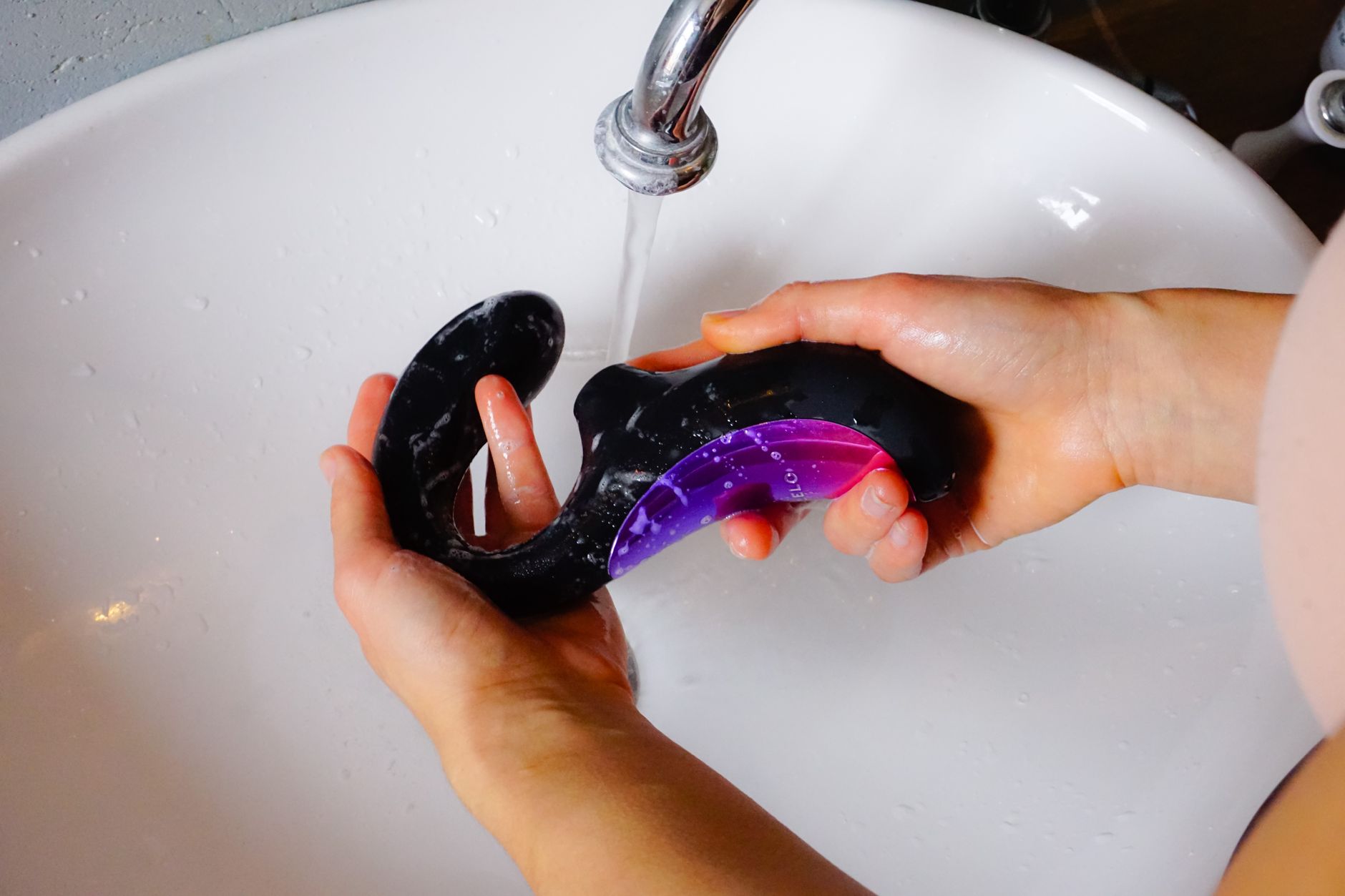
Rinse the product soon after use so lubricant and bodily fluids do not dry onto the surface. Use cool to lukewarm water and let it pass through the internal channel when the design permits. If the opening can be gently spread, allow water to reach textured areas without stretching thin material or forcing a sleeve inside out. Soft surfaces can collect lint, so repeatedly scrubbing with toilet paper is not ideal; paper fibers may remain in the texture and make later cleaning harder.
Rinsing removes visible residue but does not always complete the cleaning process. If an oily film, odor, or dried lubricant remains, use a small amount of mild, fragrance-free soap or a toy cleaner that is specifically compatible with the material. Clean with fingertips or a soft cloth rather than a stiff brush, abrasive sponge, or sharp tool. When the product has a removable base or drainage opening, use the approved disassembly method so water can leave the interior instead of pooling inside.
Step two: wash gently and rinse thoroughly
For many non-electronic products, lukewarm water and a mild, fragrance-free cleanser are sufficient. Pay attention to the entrance, both ends of a sleeve, seams, textured channels, and the base. When the manufacturer allows a sleeve to be turned inside out, do so carefully and without pulling sharply; if the instructions prohibit inversion, do not force it. Rinse until the slippery feel and cleanser scent are gone, because residue left behind can irritate sensitive skin.
Avoid bleach, strong acids or alkalis, high-strength alcohol, perfume, shampoo, and shower gel unless the manufacturer explicitly approves them. These products may alter the feel of soft materials or contribute to cracking, swelling, or increased tackiness. More absorbent materials such as some TPE and TPR formulations deserve extra caution. For shared use, a correctly fitted condom barrier can make hygiene management easier, but the product still needs cleaning after use.
Step three: remove water and air-dry completely
After rinsing, hold the masturbator with the opening facing down and gently shake or tilt it to release pooled water. Pat the outside with a clean, lint-free cloth rather than pushing rough tissue deep into the channel. If a brand sells an approved drying wand, use it only as directed; improvised objects may leave fibers, scratch the surface, or stretch the sleeve. Place the product in a clean, ventilated area with enough air circulation to reach the inside.
Air-drying is usually safer than applying heat. A hot hair dryer, radiator, car interior, or direct sunlight can deform soft materials and accelerate surface aging. Even cool forced air can push dust into the channel, so ventilation is preferable to a strong air stream. In humid rooms, a dehumidifier can make the surrounding air drier, but the product should still remain open and ventilated rather than sealed while damp.
Lubricant compatibility and storage
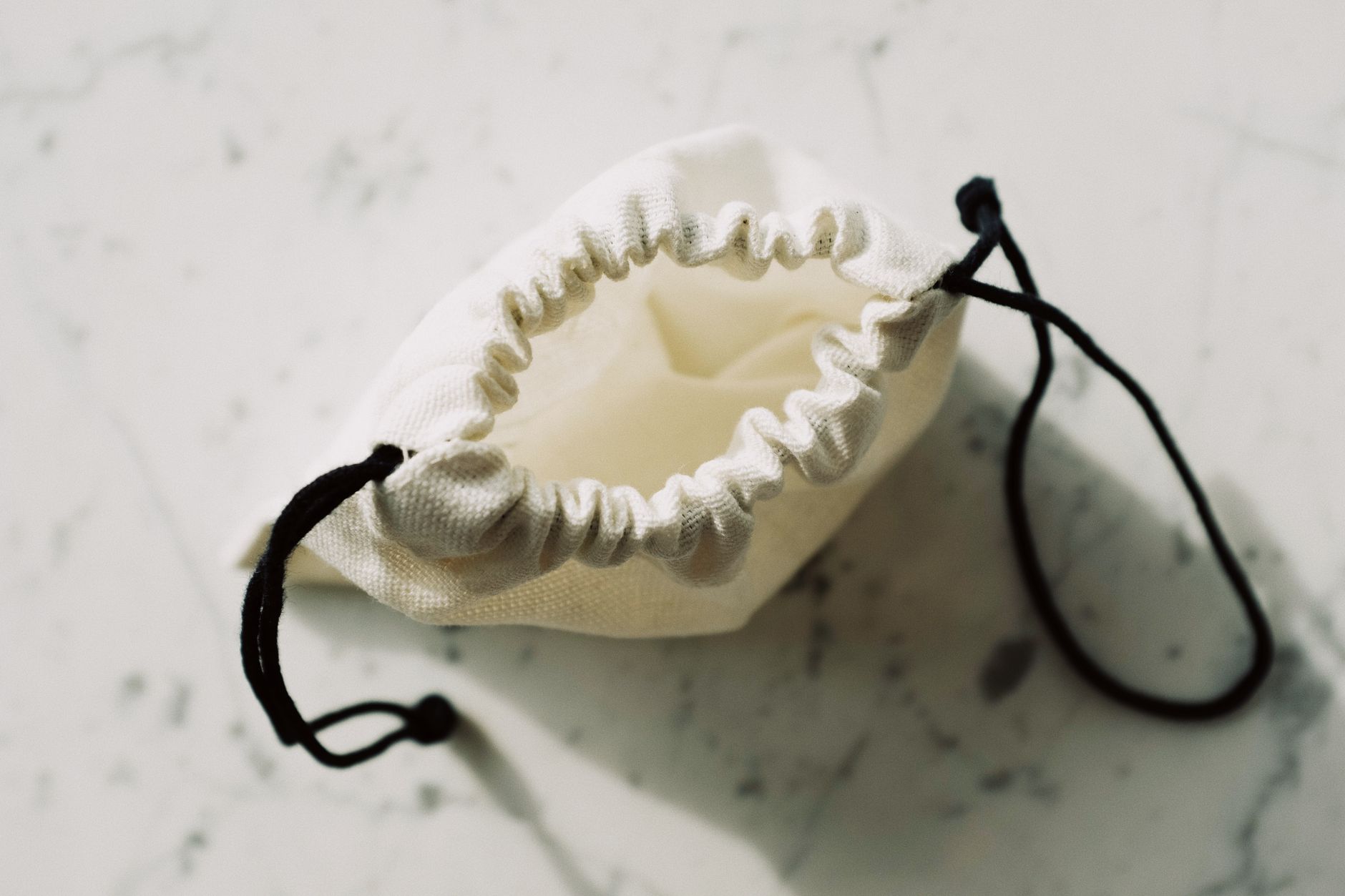
Once the product is completely dry, store it in a clean individual pouch or a ventilated container in a cool, dark, dry location. Do not press different soft-material toys together for long periods, and keep them away from oils, fragrances, solvents, and cleaning chemicals. Some materials can stick together, transfer color, or change texture when stored in contact with incompatible surfaces. Before storage, inspect the entrance, inner sleeve, base, and drainage area for odor, cracking, deformation, oiliness, or unusual residue.
Water-based lubricant is often a practical option because it is widely compatible and easier to rinse away, but compatibility still depends on the actual material. Do not assume that a silicone lubricant is safe on a silicone toy; follow the manufacturer’s guidance first. Oil-based lubricants may be harder to remove and can be incompatible with certain materials or latex condoms. A quick inspection before and after each use makes it easier to notice changes before the product becomes difficult to clean.
Common mistakes and safety boundaries
Common mistakes include washing only the outer shell, sealing the product before it is dry, using hot air to speed up drying, and boiling an item without confirming its material. Long soaking is another avoidable problem, especially when the product has a motor, magnets, metal parts, seams, or an uncertain seal. Adult products should be used only by adults, and any persistent pain, burning, redness, broken skin, or unusual discharge after use warrants stopping and seeking medical advice. This article provides general care information and does not replace individualized healthcare guidance.
A dependable routine is straightforward: read the instructions, separate approved components, rinse promptly, wash gently, rinse away all cleanser, drain and air-dry fully, then store the product alone in a dry place. When the material is unknown, the surface is deteriorating, or the interior cannot be dried properly, a conservative approach is safer than aggressive disinfection. Treating cleaning as part of normal use protects the material and makes future maintenance less complicated.
FAQ
Can a masturbator be boiled to sterilize it?
Not automatically. TPE, TPR, PVC, and unknown materials generally should not be boiled, while some non-electronic products made from 100% silicone may have manufacturer-approved heat cleaning. If the instructions do not clearly allow boiling, use lukewarm water and a mild compatible cleanser instead.
How should a masturbator be dried after washing?
Drain pooled water by holding the opening downward and gently tilting or shaking the product. Pat the outside with a clean lint-free cloth, then leave it open in a clean, well-ventilated area until the interior is fully dry. Avoid hot hair dryers, radiators, direct sunlight, and sealed storage while damp.
Is water-based lubricant suitable for masturbators?
Water-based lubricant is often a practical, easy-to-rinse option for many adult toys. Material-specific restrictions still apply, so the product instructions should be checked before use. Silicone and oil-based lubricants are not automatically compatible with every toy material.