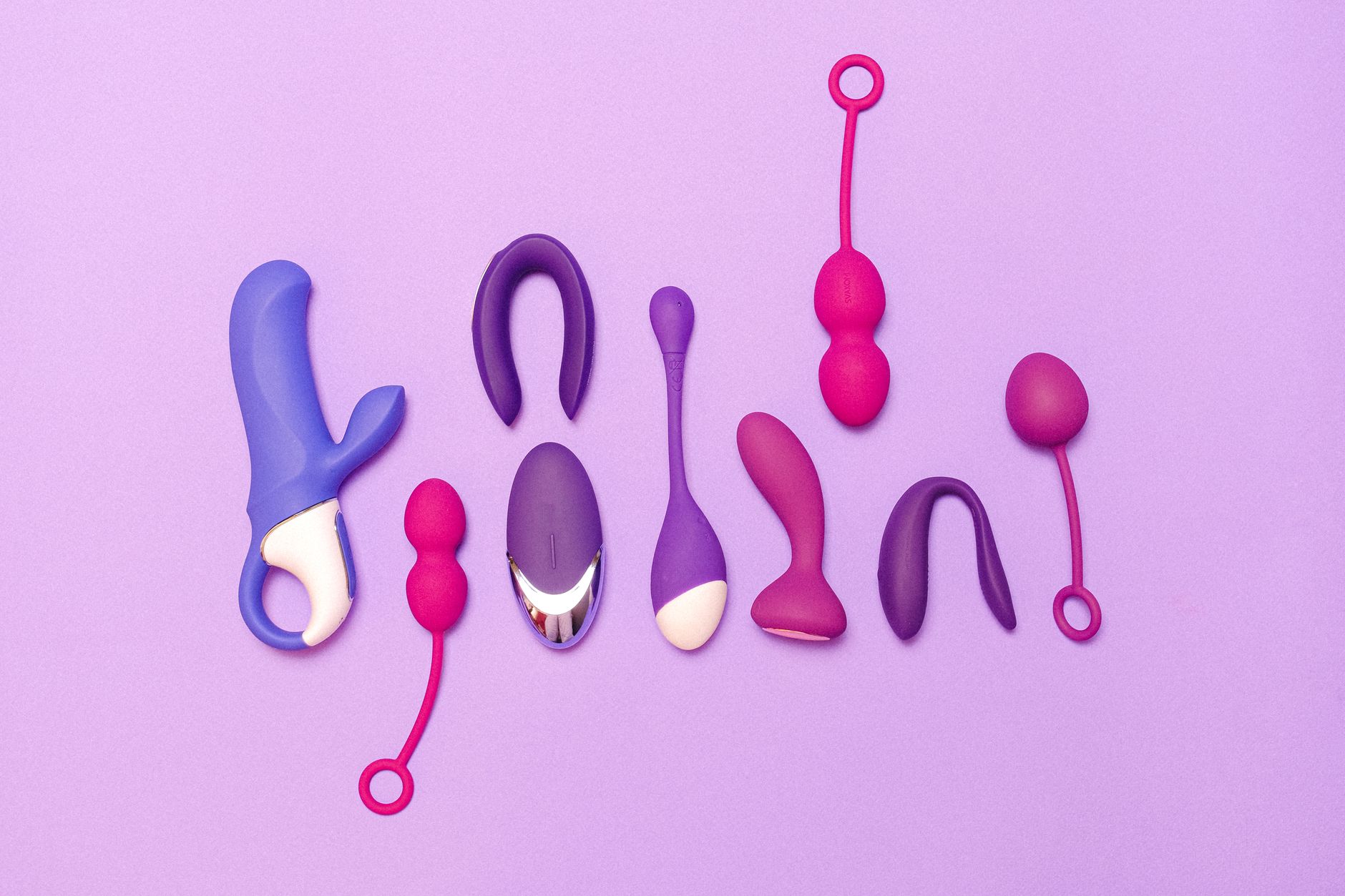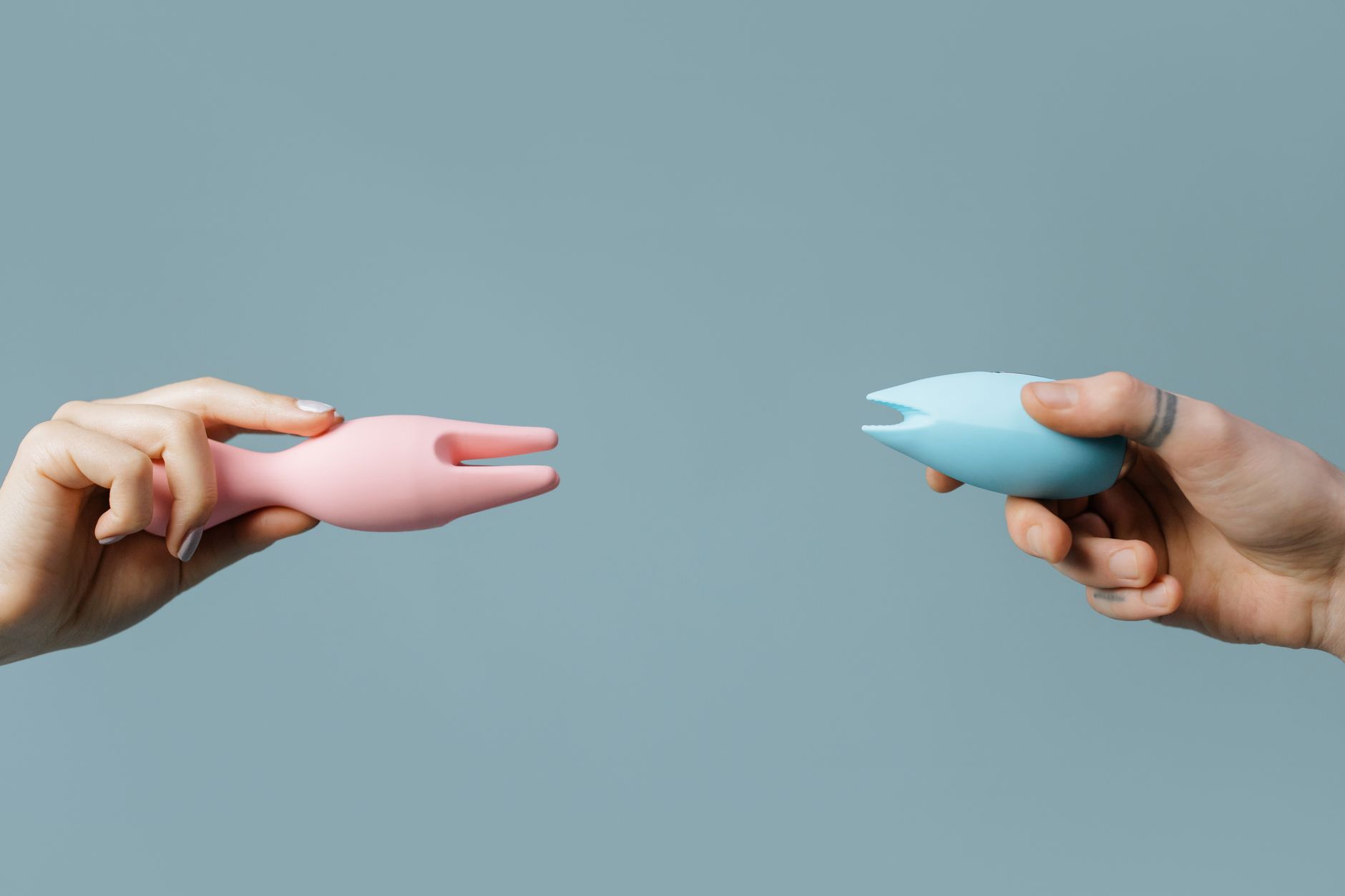
Sex toys are often discussed as tools for increasing stimulation or supporting sexual function, but those ideas are not interchangeable. For some adults, a vibrator, personal massager, lubricant, or role-play accessory can make it easier to explore sensations and communicate preferences with a partner. A product, however, is not a medical device and should not replace evaluation for persistent pain, erectile difficulties, ejaculation concerns, or a major change in desire. The practical questions are whether the product fits the user, whether it can be used safely, and whether everyone involved feels comfortable and willing.
What role can sex toys play?
Sex toys are best understood as optional aids for intimacy rather than shortcuts for every sexual concern. Some people use external stimulation to explore what feels comfortable, while others use lubricant to reduce friction or introduce a product as a way to discuss pace and preferences. The goal is not to chase a particular performance standard, but to create more choices and clearer communication. Bodies respond differently depending on stress, medication, health conditions, relationship context, and personal experience, so one person’s result cannot predict another person’s.
If a sexual response concern continues even when there is no pressure to perform, it deserves to be treated as a health question. Recurrent erectile difficulty, pain during sex, bleeding, numbness, persistent dryness, or a sudden change in desire should not simply be covered up with stronger stimulation. Sex toys can remain part of intimate life, while a primary care clinician, urologist, gynecologist, or sexual-health service can help identify possible physical, medication-related, or psychological factors.
Materials and specifications matter more than appearance
When choosing a product, material, dimensions, power source, water-resistance rating, and cleaning instructions usually matter more than appearance or promotional language. Nonporous materials such as glass, stainless steel, some high-quality silicone products, and ABS plastic are generally easier to clean. TPE, TPR, jelly rubber, and other porous or semi-porous materials may retain fluids and odors; a toy that becomes sticky, cracked, discolored, or difficult to clean should not remain in use. A product labeled splashproof or water-resistant is not automatically safe to submerge, so the manufacturer’s instructions should be followed closely.
A practical checklist includes:
- Clear information about material, dimensions, charging, and water resistance.
- A smooth contact surface without sharp edges, strong chemical odor, or unexplained coating.
- Understandable cleaning, care, warranty, and return information.
- A suitable flared base or stopper when a product may be used anally.
Cleaning, sharing, and switching body sites
Cleaning is part of safe use, not an optional final step. Many washable products can be cleaned with warm water and mild, fragrance-free soap, then rinsed thoroughly and air-dried completely. Electronic products usually require wiping or another method specified by the manufacturer, with particular care around charging ports and motors. Unless the instructions explicitly allow it, do not boil a product, soak it in alcohol, or use harsh disinfectants; heat and chemicals can damage finishes, seals, and electronic components.
Sharing requires additional care. Between users, or when moving a toy from the anus to the vagina or mouth, use a new condom and follow the cleaning instructions rather than relying on a quick wipe. If the surface has cracks, unusual odor, discoloration, or a persistent tacky feel, stop using it and replace it. Store products only after they are fully dry, ideally in separate clean pouches, and avoid prolonged contact between incompatible materials because some surfaces can stick together or deteriorate.
Lubricant compatibility and pacing
Lubricant can make contact more comfortable, but the formula should match the product and the intended use. Water-based lubricant is often an easy-to-clean, conservative option and is commonly compatible with silicone toys. Silicone-based lubricant may last longer, but it can interact with some silicone products, so the manufacturer’s guidance should be checked first. Oil-based products may weaken latex condoms and can be harder to remove. If burning, itching, redness, or continuing discomfort develops, stop using the product and seek medical advice if symptoms persist.
Pacing matters just as much as the formula. A first-time user can begin with lower intensity and shorter sessions, leaving room to distinguish comfortable sensation from overstimulation and pain. Pain is not a challenge to push through; numbness, bleeding, skin damage, or unusual swelling are reasons to stop immediately. For insertion, consider size, lubrication, and a reliable stopper, and keep an easy way to remove the product. If anyone says stop, appears uncomfortable, or changes their mind, the activity should end without negotiation or pressure.
Consent, privacy, and partner communication
Responsible use also includes consent and privacy. Partners can discuss which products are acceptable, which areas are off limits, who will handle cleaning, and whether photos or recordings are permitted before anything begins. During use, simple check-ins such as “Is this intensity okay?” or “Would you like to change?” make it easier to respond to real-time feedback. Consent is ongoing: agreeing once does not create an obligation to continue, and anyone can change their mind at any point.
Purchasing and storage can be part of the safety plan as well. Look for retailers with clear return policies, discreet packaging, and understandable privacy practices, and avoid leaving account details or order notifications on shared devices. Store products away from heat, moisture, children, and pets. These products and materials are intended for adults, and users should follow local laws, age restrictions, and the product’s stated limitations.
When a toy is not enough
An occasional sexual difficulty can be associated with stress, poor sleep, alcohol, relationship conflict, or medication, but recurring symptoms or a problem lasting several months deserves professional attention. Erectile difficulties may be associated with cardiovascular, metabolic, hormonal, neurological, medication-related, or psychological factors. Pain during sex, unusual discharge, bleeding, skin injury, and persistent numbness should not be managed by simply increasing intensity. Seek medical care for significant pain, suspected infection, injury, or a concerning reaction to a medication; a painful erection that does not resolve promptly requires urgent assessment.
Before an appointment, it can help to note when the concern began, how often it occurs, current medications and supplements, associated pain or discharge, and the situations in which it becomes more noticeable. This information is more useful than describing the experience only as “not working.” Sex toys may help users learn about preferences and communicate needs, but when the issue involves a medical condition, medication side effect, or sustained psychological distress, professional evaluation is the safer next step.
A realistic approach to sex toys rests on safety, consent, and the ability to stop. Check the material and cleaning instructions before buying, use a compatible lubricant, start at a manageable intensity, and use barriers and cleaning between users or body sites. Pain, broken skin, bleeding, or continuing discomfort are signs to pause and reassess. Sexual function is not a performance test, and a toy is not a substitute for healthcare; clear communication, respect for boundaries, and timely professional support create a more reliable foundation for intimacy.
FAQ
Can sex toys treat sexual dysfunction?
Sex toys may support exploration, stimulation, and communication, but they are not a substitute for medical assessment. If erectile difficulty, pain during sex, or another concern keeps recurring or affects daily life and relationships, a healthcare professional can help identify possible causes.
How should a sex toy be cleaned?
First check whether the product is washable, then use warm water and mild fragrance-free soap when the instructions allow it. Rinse thoroughly and dry completely; electronic products usually need surface cleaning, and they should not be boiled or submerged unless the manufacturer specifically permits it.
Can partners share the same sex toy?
They can discuss sharing, but should consider material, cleaning, and infection risk. Use a new condom between users and between different body sites, and avoid sharing a product with cracks, persistent stickiness, unusual odor, or unclear material information.
What should someone do if a sex toy causes pain?
Stop immediately rather than trying to compensate with more intensity or lubricant. Bleeding, broken skin, persistent numbness, marked swelling, or symptoms that do not settle are reasons to seek medical care.