Sexy lingerie often looks more like a costume than everyday underwear, and that shows in how fragile many pieces can be. Lace panels, mesh bodysuits, garter belts and decorative hardware are usually cut for visual impact first, convenience second, which means a regular spin cycle can quickly stretch straps, warp cups or tear fine fabric. For many people, lingerie is also something they wear on specific occasions rather than daily, so each set tends to hold more emotional value. A simple, consistent care routine helps those favourite pieces stay flattering and comfortable for longer, without turning laundry day into a complicated ritual.
Check the care label and fabric mix before you touch the water
The most useful habit with lingerie is to read the care label and understand what the fabric can handle before deciding on any washing method. Most lace and mesh pieces are based on nylon or polyester blends, which cope reasonably well with lukewarm water and gentle detergent, as long as friction and twisting are kept under control. Once elastane content goes up or the garment includes sequins, embroidery or coated surfaces, the margin for error shrinks and lower temperatures become safer. Faux leather, latex‑like finishes and glossy coatings are especially sensitive: long soaking, high heat or wringing can cause the surface to turn sticky, crack or peel. Symbols such as “do not machine wash”, “do not tumble dry” or “do not iron” are there for a reason, and following those manufacturer instructions is generally more reliable than any single home remedy.
Hand‑washing steps: cool water, mild detergent and pressing instead of scrubbing
For most intricate lingerie, hand‑washing is still the safest baseline. A simple routine starts with filling a clean basin or sink with cool to mildly warm water, avoiding very hot temperatures that can stress elastic fibres. Add a small amount of gentle, neutral detergent or a lingerie‑specific wash and swirl until it disperses, then submerge the pieces. Areas that pick up the most sweat and makeup, such as straps, the band under the bust and inner cups, can be cleaned by lightly pressing and sliding the fabric between your fingers, rather than aggressive rubbing. Soaking time does not need to be long; around five to ten minutes is usually enough. After that, drain the soapy water, refill with clean water and press the fabric repeatedly to rinse, making sure detergent residue is flushed out before moving on to drying.
When a machine cycle is acceptable and when it becomes too risky
Many busy people rely on the washing machine for almost everything, but sexy lingerie sits closer to the “handle with care” side of the spectrum. If the care label explicitly allows machine washing and the design is relatively simple, with minimal lace and hardware, you can place the item in a well‑made mesh laundry bag, select a delicate or gentle cycle and keep spin speed low. Even then, it is wise to separate lingerie from heavy, abrasive items like jeans or hoodies. On the other hand, corsets, garter sets, strappy harnesses and pieces with extensive mesh panels are poor candidates for machine washing. They tend to wrap around other garments, tug on elastic and leave cup shapes distorted after a single cycle. In households that use top‑loading machines with strong agitation, the risk of stretching and snagging is higher, so hand‑washing or very occasional, carefully protected machine use is preferable.
Pressing out water and air‑drying without warping cups
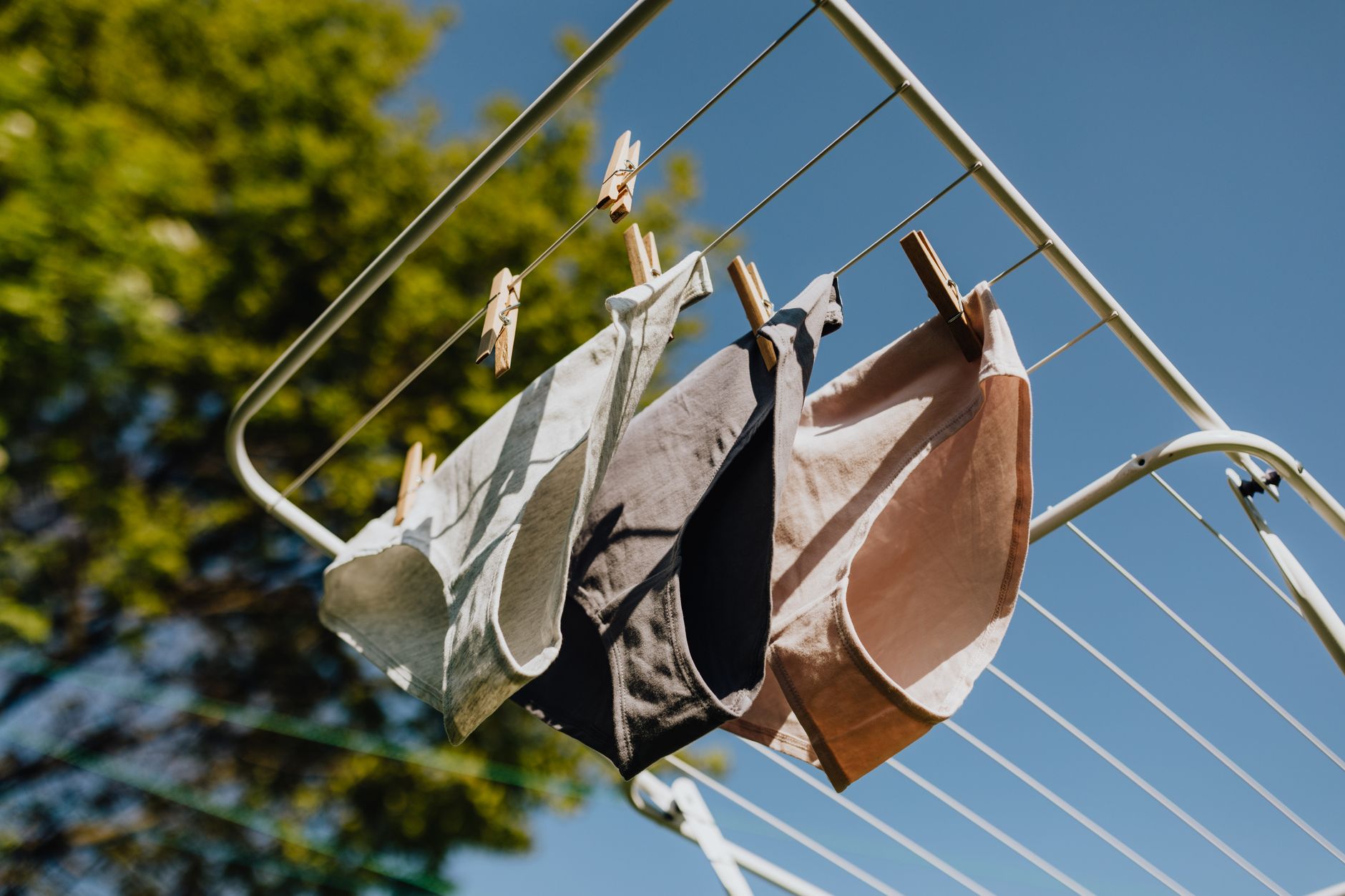
Once the lingerie is clean, the way water is removed and the garment is dried plays a large role in preserving its shape. Wringing or twisting bras and bodysuits, especially those with underwires or moulded cups, almost guarantees creases and dents that show when worn. A gentler method is to lift the piece from the basin, support it with both hands and press out excess water without twisting, then lay it flat on an absorbent towel and press again so the towel takes up moisture. For drying, hanging by the straps on a hanger is common, but it helps to let the garment drape naturally instead of pressing cups flat against the hanger. Choosing a shaded, well‑ventilated spot is better than placing delicate fabrics in direct sun, which can fade colours and age elastic. Tumble dryers are convenient for everyday cotton, yet they are one of the fastest ways to damage fine lingerie, and most specialised pieces are better kept away from them.
Storing lingerie: protecting both structure and privacy
Careful storage can undo or reinforce the benefits of a gentle wash. Throwing bras and intricate sets into a crowded drawer often leads to crushed cups, bent underwires and tangled straps. A practical approach is to dedicate a section of a drawer or a small box where bras can be laid flat and nested cup into cup, rather than folded in half or pushed into tight gaps. Pieces with faux leather, coated surfaces or heavier embellishment do better when kept away from damp corners and from contact with rough fabrics that might scratch them. Soft fabric pouches or organiser boxes can create a buffer between delicate pieces and the rest of the wardrobe. Some people prefer to separate sexy lingerie from everyday underwear, which not only helps protect the structure but also adds a layer of privacy, making it less likely that visiting friends or family accidentally see those items when borrowing a T‑shirt or socks.
Detergents, softeners and fragrance: thoughtful choices for sensitive skin
Specialised lingerie detergents and fabric softeners promise a lot of comfort, but the key differences usually lie in how mild the formula is and how much fragrance it carries. For lingerie that sits close to the skin, neutral, low‑irritation products without bleach agents align better with basic skin‑friendly principles. If someone has a history of dryness, itching or sensitivity, choosing formulas labelled gentle or suitable for delicate skin can be reassuring. Fabric softener can change how mesh and lace feel and may leave residue on fibres, so using small amounts and rinsing thoroughly is important. Strongly scented products are appealing for some, yet others may find long‑lasting perfume on intimate garments uncomfortable. In those cases, starting with minimal dosage, testing on a single set first or discussing concerns with a professional, such as a dermatologist, can help decide whether a given product fits their routine.
Sharing the load with other laundry without sacrificing safety
Washing lingerie together with other items is sometimes unavoidable, especially in shared homes or small apartments with limited water and time. Even then, a few boundaries help protect delicate pieces. If hand‑washing several categories in one basin, it can be helpful to clean lingerie first while the water is still clear and friction is low, and then move on to heavier, more abrasive garments afterwards. In the machine, using a separate mesh bag for each intricate set prevents hooks, garters and straps from tangling badly with socks or everyday bras. Pairing lingerie with lightweight, smooth fabrics rather than zippers, buttons or rough textures also reduces snagging. These small adjustments let people keep a realistic laundry routine while still showing extra care to garments that are both visually special and structurally fragile.
Final notes: adapt the routine and check garments regularly
Caring for sexy lingerie does not require perfection; it benefits from consistent, thoughtful habits that fit the household’s reality. Some owners like to wash pieces immediately after each wear, while others wait until several sets have been used and then clean them in one session. As long as the routine stays within a gentle range—cool to lukewarm water, mild detergent, limited friction, careful drying and sensible storage—most garments will hold their shape and comfort reasonably well. When a piece shows clear signs of wear, such as stretched bands, exposed underwires or peeling coatings, it may be time to reduce how often it is worn or replace it. The guidance above is intended for general fabric care only; always follow the specific instructions on the garment’s label, and if any skin or health concerns arise, consulting a qualified professional can provide tailored advice.
FAQ
Can sexy lingerie go in the washing machine?
Whether sexy lingerie can be machine washed depends on the care label and how complex the design is. If the label explicitly allows machine washing and the piece is simple, with limited lace and hardware, it can be placed in a mesh laundry bag on a delicate cycle with low spin, away from heavy items like jeans. Corsets, garter sets, strappy harnesses and garments with large mesh sections are better kept for hand‑washing, as machine agitation easily stretches elastic and distorts cup shapes.
How often should sexy lingerie be washed after wearing?
Because sexy lingerie sits close to the skin and often includes fine fabrics, many people choose to give each worn set at least a basic clean soon after use, rather than leaving sweat and makeup to sit on the fabric. Short try‑ons without noticeable soil may not require immediate washing, but the garments should still be aired out in a dry, ventilated place. The exact frequency can be adjusted to how long and how intensively each piece is worn, as well as personal comfort and hygiene preferences.
What is the best way to dry bras and bodysuits without ruining the cups?
The safest way to dry bras and bodysuits with underwires or structured cups is to avoid twisting and wringing altogether. After rinsing, gently press out water with your hands, lay the garment flat on a towel and press so the towel absorbs moisture. Then hang or lay the piece so it can air‑dry in a shaded, well‑ventilated area, allowing cups to keep their natural shape instead of being folded or crushed. Keeping these items away from tumble dryers and strong direct sun further reduces the risk of warping.
Which detergents are suitable for washing sexy lingerie on sensitive skin?
For sensitive skin, mild, neutral detergents formulated for delicate fabrics or intimate garments are generally a better fit than strong, heavily scented products. It helps to look for options without bleach agents and to use modest amounts so residue does not build up in lace and mesh. Thorough rinsing is important, especially for garments that sit close to the body for extended periods. If there is any history of skin reactions, testing one set first or seeking advice from a healthcare professional can guide product choice.