Sexy stockings often catch attention because of lace patterns, garter straps or color, and it is easy to forget the small number on the label that says “denier”. That number quietly decides whether a pair feels ultra‑sheer like a soft mist on the legs or more solid and forgiving in daily wear. For people who are new to lingerie styling, this difference shows up as runs and snags appearing sooner than expected, or as stockings that look thicker than imagined. Understanding denier, along with fiber composition and knitting details, turns a purely visual purchase into a more informed choice where looks and practicality can both be considered.
What does denier mean and how does it affect sheerness
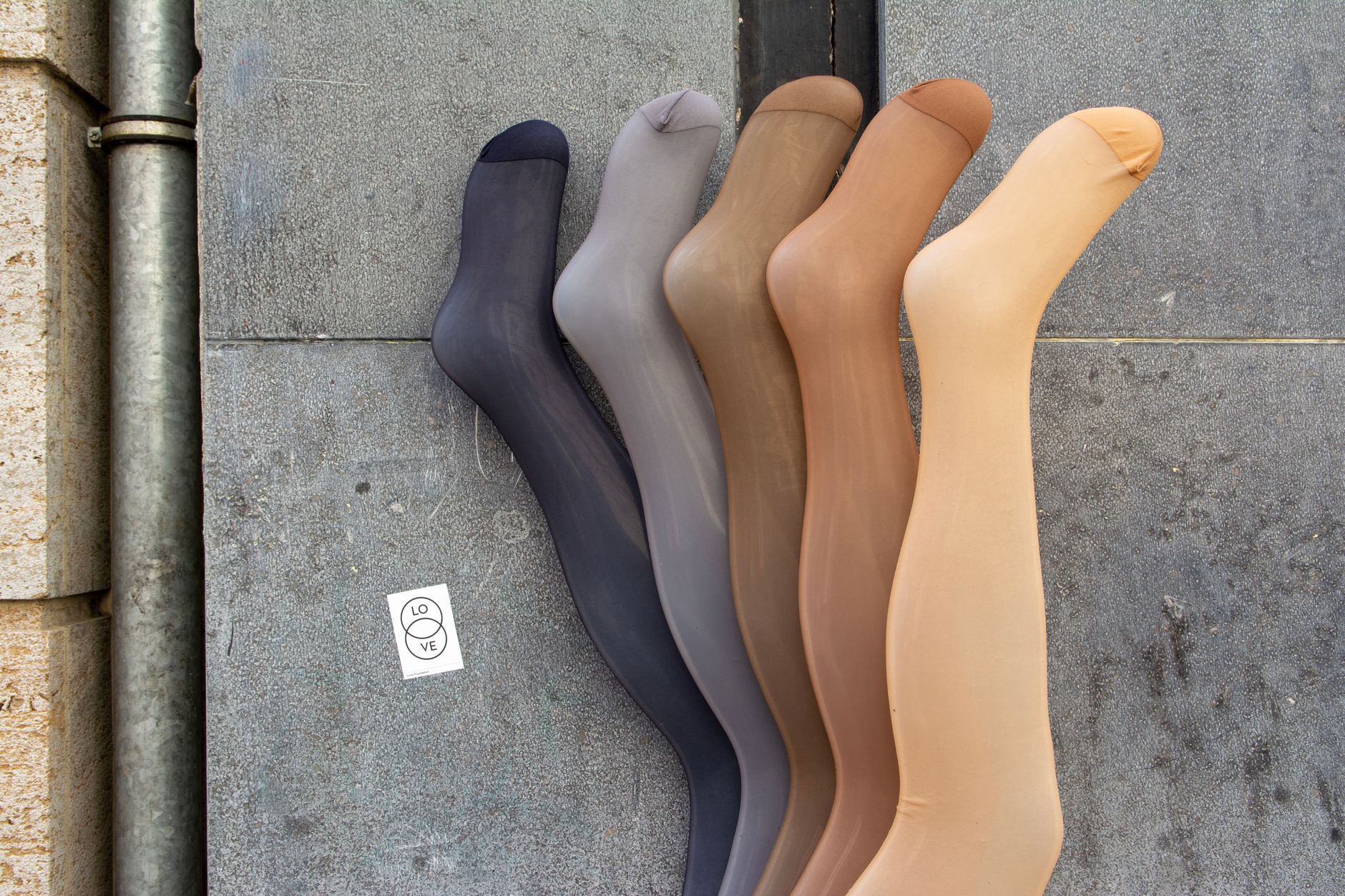
Denier is a unit from the textile industry that measures fiber thickness by the weight of 9,000 meters of yarn. In simple terms, the lower the denier number, the finer the fibers, which makes the fabric thinner and more transparent. Higher denier means coarser fibers, a visually thicker fabric and usually better resistance to everyday friction. Sexy stockings commonly sit between about 8 and 40 denier. Styles around 8–10 denier are ultra‑sheer and create a bare‑leg illusion, which works well for intimate photos or special evenings. Around 20 denier, the fabric still looks light but has enough body to feel less fragile. Above 30 denier, the look becomes semi‑opaque, color coverage increases and the fabric feels more robust, which some people prefer when they want a pair they can wear repeatedly.
Typical denier ranges and how they feel on the legs
Thinking in ranges helps when comparing products. Ultra‑sheer stockings in the 5–10 denier bracket feel weightless, almost like a soft filter smoothing the skin tone, and they do little to hide natural leg lines or texture. At 15–20 denier, the material still shows the skin but gives a bit more support, which many consider the classic thin‑stockings category for dressy outfits and date nights. Moving into 25–30 denier, coverage becomes more noticeable, helping to even out color variations and small marks, while still keeping some transparency. From 35–40 denier upward, the fabric moves towards opaque territory, which is less common in purely erotic styling but attractive for cooler seasons or for people who value longevity. Recognising these differences makes it easier to match a pair of stockings to occasions instead of relying only on product photos.
Why the lowest denier is not always the best choice
It can be tempting to assume that “the lower the denier, the sexier the stockings”, yet this does not reflect everyone’s needs. Ultra‑sheer pieces might look stunning in soft bedroom light and close‑up photos, but they can be more vulnerable to rough surfaces, sharp nails or frequent movement. Someone who rarely wears hosiery and does not routinely check shoes or flooring may feel anxious about damaging such delicate fabric. A slightly higher denier offers a small compromise on pure sheerness but adds peace of mind, especially when a pair is meant to bridge everyday wear and intimate styling. Choosing denier becomes less about chasing extremes and more about whether a person wants a “special occasion only” item or a versatile piece that fits several settings.
Fiber mix and knitting density: hidden factors behind snags
Beyond denier, the combination of fibers and the way they are knitted greatly influences how stockings behave over time. Nylon is commonly used for its smooth feel and attractive light reflection, making it popular for sheer designs. Polyester tends to be more resistant to abrasion, which can be useful in higher‑denier styles. Elastane, often called Spandex or Lycra, brings stretch, allowing stockings to hug the legs without forming many wrinkles. Some products highlight reinforced toes, denser knitting at the knee or special “run‑resistant” patterns, all of which are aimed at better stability. Paying attention to these technical notes helps to identify designs that balance delicacy with more robust everyday use, instead of assuming that the denier number alone describes durability.
Choosing denier based on how and where stockings will be worn
A practical way to start is to think first about the situations where sexy stockings will appear. For intimate evenings at home, where movement is limited and surfaces are relatively smooth, 10–15 denier may be a comfortable range that offers visual impact without feeling overly fragile. For outfits that need to move from office or dinner to a more private setting later, many people select around 20–25 denier so the same pair works under a skirt or dress during the day and still looks elegant when paired with lingerie. In environments with pets, textured flooring or longer wear, semi‑opaque stockings around 30 denier give additional security. This context‑based approach can reduce disappointment and helps make each purchase more aligned with real‑life use rather than ideals alone.
Practical habits to reduce snagging and extend wear life
Even with an appropriate denier choice and good materials, everyday habits matter a lot. Before putting stockings on, trimming or smoothing fingernails reduces the chance of tiny catches on the fabric, and some people like to use a thin cotton glove when pulling the fabric up the leg. Checking the inside of shoes for rough seams or hardware can prevent friction at the toe and heel. Rolling the stockings down to the foot and then gently gliding them upward avoids stretching one area too strongly at once. When washing, hand‑washing in lukewarm water with mild detergent and keeping stockings away from zippers and hooks is gentler than machine cycles. Storing pairs in separate small bags or boxes rather than loose in a drawer makes it easier to avoid tangling with items that could catch on the knit.
Styling sexy stockings with other lingerie and clothing pieces
Sexy stockings do not have to be reserved only for dramatic bedroom sets; they can also be blended with everyday clothing to create different moods. Sheer black stockings around 20 denier, for instance, can complement a simple dress and ankle boots for dinner, then later be paired with a lace body or garter belt once at home. Simple satin slips combined with plain garter straps offer a softer, understated look compared with heavily patterned lace, which suits people who prefer intimate styling that feels closer to regular nightwear. For those who enjoy bolder visuals, fishnet or patterned stockings can be layered over sheer nude hosiery to introduce texture while keeping the legs comfortable. Mixing denier levels and styles in this way helps build a small collection that supports several types of experiences without feeling limited to one particular scenario.
Conclusion: using denier as a tool for more confident choices
Learning how denier, fiber type and knitting design work together turns stockings from a mystery label into a clear guide for choosing pieces that feel right on the body. Instead of chasing the sheerest option every time, people can look at how often they wear hosiery, which spaces they move through and how much attention they want to give to care routines. Combining a suitable denier with simple habits for putting on, washing and storing stockings can make even delicate pairs feel more manageable. In the end, sexy stockings are part of a broader intimate wardrobe, and when their technical details are understood, they can support confidence and comfort rather than worry about accidental snags.
FAQ
Is lower denier always better for sexy stockings?
Lower denier creates a thinner, more transparent fabric, which many people find visually appealing for intimate outfits and photography. However, very low denier can be more delicate and may snag easily in everyday environments. Choosing denier is about balancing the desired look with how often and where the stockings will be worn, rather than assuming that the lowest number suits every situation.
How can I reduce the chance of my stockings snagging or running?
Smoothing or trimming fingernails before putting stockings on helps avoid tiny pulls in the fabric, and checking shoes for rough seams or hardware can reduce friction at the toes and heels. Rolling stockings carefully onto the foot and up the leg instead of pulling them quickly in one motion is gentler. Hand‑washing with mild detergent and storing each pair separately away from zippers and hooks can also contribute to keeping them in better condition.
Can sexy stockings be worn as part of everyday outfits?
Many designs can be used both in everyday settings and intimate styling, especially simple sheer or semi‑opaque stockings around 20–25 denier. More extravagant pieces with bold lace or unusual cut‑outs may feel less suitable for formal environments but can still be layered under dresses or skirts if someone is comfortable with that look. Considering dress codes and personal comfort helps decide whether a particular style fits daily wear.
Does fiber composition really matter when choosing stockings?
Fiber composition affects how stockings feel against the skin, how much they stretch and how they respond to friction. Nylon tends to feel smooth and look attractive in sheer styles, polyester may offer more abrasion resistance, and elastane provides stretch for a closer fit. People with sensitive skin or specific preferences for texture may benefit from reading material information and, if needed, seeking advice from professionals when they notice discomfort.