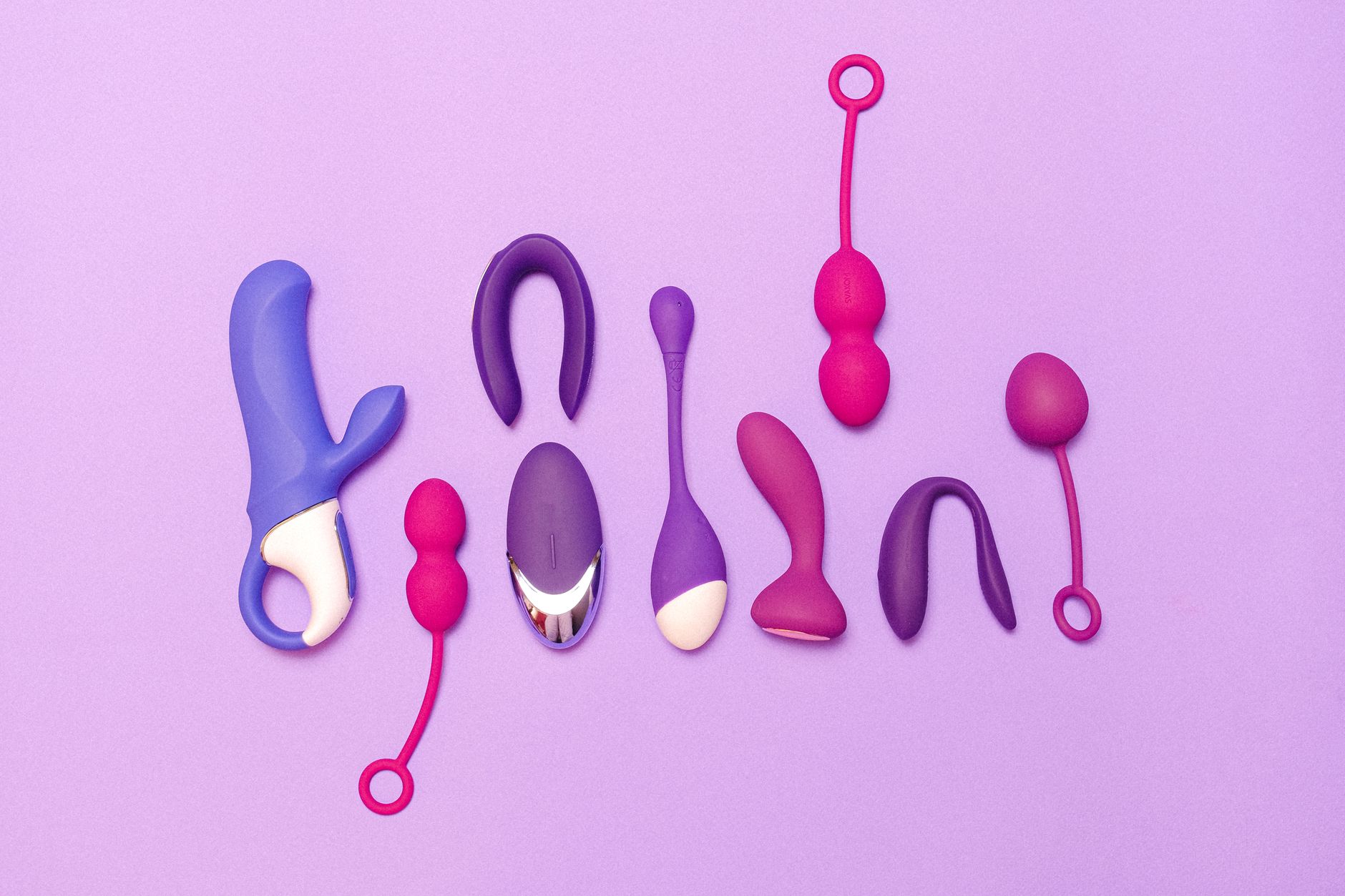
The question of whether silicone sex toys can be used with silicone-based lubricant is one of the most common points of confusion for beginners. People often buy a toy marked as silicone, then realize their favorite lube is also silicone-based and start worrying about sticky surfaces, cloudy textures or a shorter toy lifespan. At the same time, advice online can be inconsistent, with some voices saying “never mix” and others claiming they have done so for years without obvious issues. This article focuses on material basics, label reading, common risk scenarios and practical care habits, so adult readers can weigh the trade-offs calmly. Any mentions of health or intimate discomfort are general information only; for persistent symptoms or concerns, consultation with a medical professional remains important.
What makes silicone sex toys different from hard plastic?
Most silicone sex toys are made from soft, flexible polymers that feel slightly matte or velvety to the touch, rather than the rigid, glossy feel of hard plastic. Brands may describe them as “medical grade silicone” or “body-safe silicone”, highlighting that the material is designed for prolonged skin contact and typically does not rely on plasticizers in the same way as some cheaper plastics. A key advantage is the combination of stability and comfort: many users describe silicone toys as having a skin-like touch, with less chemical smell and more consistent texture over time. However, not all silicone formulas are identical. Some toys are very plush and squishy, others are firm and dense, and surface coatings can range from extremely smooth to slightly textured. These subtle differences affect how the material responds to different lubricant ingredients, which is why general rules can only be a starting point and product-specific guidance still matters.
How does silicone-based lubricant feel and when do people use it?
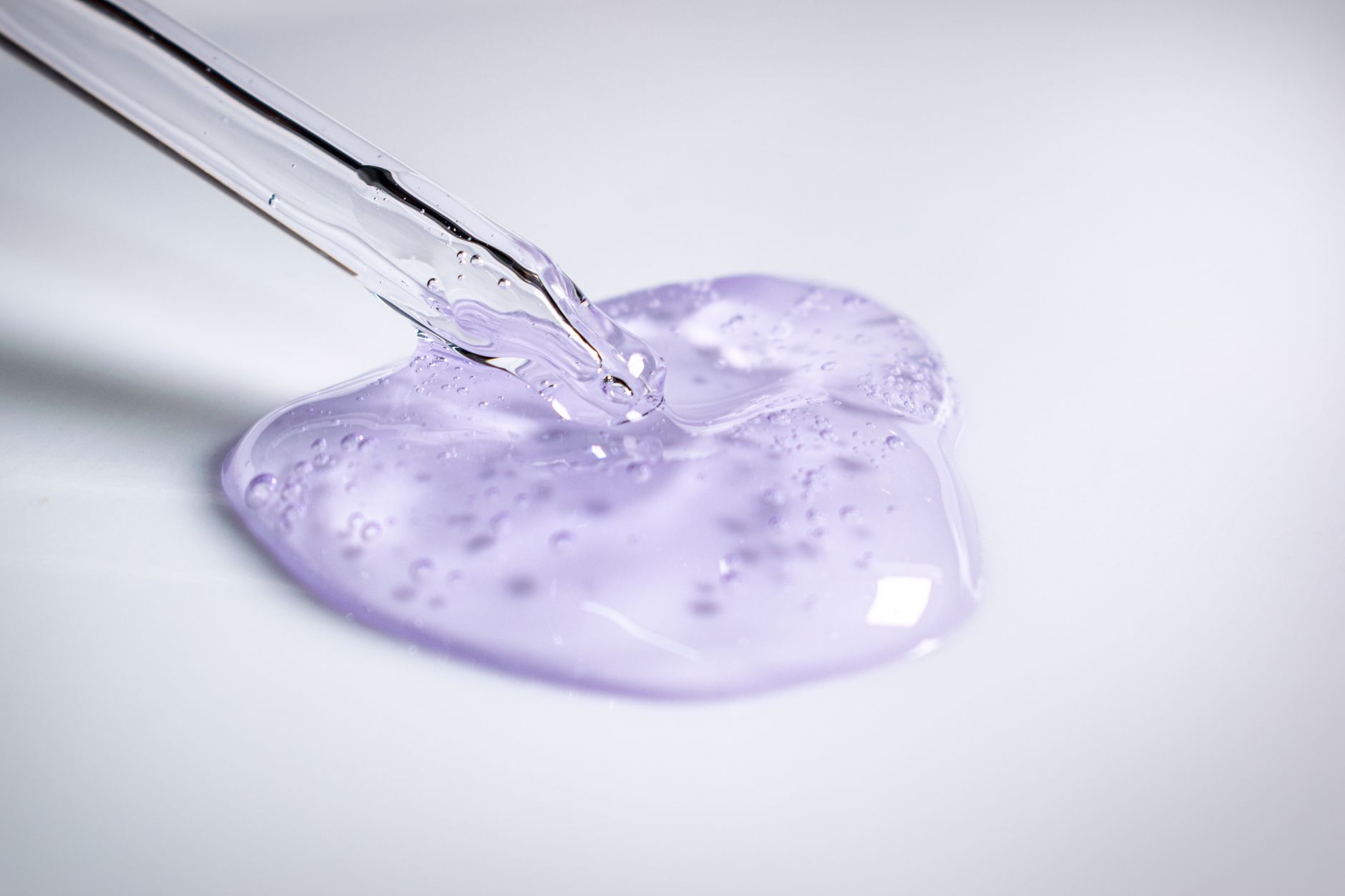
Silicone-based lubricant is known for its slick, long-lasting glide and for staying on the skin longer than most water-based formulas. A small amount often goes a long way, and many users appreciate that it does not dry out quickly during prolonged intimacy or repetitive friction. The texture tends to be silky and slightly oily, which can feel luxurious but also means it does not rinse off as easily with plain water. Cleaning usually requires more thorough washing with mild soap and sufficient water to remove residue from skin and toys. Because of this durability, silicone lube is frequently chosen for partner play, longer sessions or specific situations such as shower or bath play, where water would quickly dilute a water-based product. When toys are involved, however, the question shifts from glide to compatibility: how does that long-lasting film interact with different materials over time?
Why do some sources caution against using silicone lube on silicone toys?
One of the most widely repeated cautions is that silicone lube may gradually affect the surface of silicone toys, making them tacky, cloudy or rough. The concern is that certain silicone oils in the lubricant can interact with softer or more porous silicone toy formulations, especially if left on the surface for extended periods, leading to changes in texture. In practice, this does not happen to every toy, and some brands specifically state that their silicone is tested for compatibility with silicone-based lubricants. Others clearly advise against it on packaging and websites. For everyday users, the most practical approach is to treat the manufacturer’s instructions as the primary reference point. If the brand explicitly recommends water-based lube only or warns against silicone-based formulas, following that guidance reduces the risk of voided warranties or unexpected material changes.
Reading labels and instructions to understand lubricant compatibility
Packaging and instruction leaflets are often more helpful than people expect. Many sex toy brands include direct language such as “use water-based lubricant only” or “do not use silicone lubricant”, sometimes alongside material descriptions and care tips. Some products note additional coatings or mixed materials, which may affect how the toy reacts to different lubricant types. When reading these labels, useful clues include whether the toy is restricted to water-based lube, whether silicone-based lube is explicitly discouraged, and whether there are any notes about oil-based products. If written guidance is unclear, checking the brand’s FAQ or contacting customer support can add context. For buyers who want their toy to last and would prefer fewer unpleasant surprises, using lubricant types that align with official advice often feels more reassuring than experimenting without information.
If you still want to test silicone lube on a silicone toy, how can you be cautious?
Some users already own silicone-based lube they enjoy and would like to see whether it works with a newly purchased silicone toy. A cautious method is to conduct a small patch test on an area that does not come into direct contact with the body, such as a handle or base. A tiny amount of silicone lube can be applied and left for a period, then checked for changes in texture, stickiness or color. If repeated tests show no visible change, some people decide to use a small amount in actual play, then clean the toy thoroughly afterwards and observe it over time. It is worth remembering that this is a personal experiment rather than a guarantee. For those who have sensitive skin, worry about long-term durability or simply prefer lower risk, sticking with water-based lube for silicone toys usually feels more straightforward. Any signs of irritation, pain or unusual discharge should be handled with medical advice, and article content should be seen as general guidance rather than individual diagnosis.
Why water-based lube is often considered the safer default for silicone toys
Water-based lubricants are frequently recommended as the default companion for silicone toys because they are designed to wash off relatively easily and tend not to cling to the material in thick layers. Their base is typically water combined with humectants and thickening agents, producing a glide that is comfortable yet amenable to simple cleaning. After use, rinsing with warm water and mild cleanser is usually enough to remove residue from both skin and toy surfaces. In terms of drawbacks, water-based lube often requires occasional reapplication during longer sessions, and some formulas may become a little tacky as they dry. Still, for many adult users the trade-off is acceptable, especially when material compatibility and cleaning convenience are priorities. It is common for people to keep more than one type of lube on hand: water-based for toys, and possibly silicone-based for partner play or specific scenarios where extra longevity is helpful.
Comparing common toy materials and suitable lubricant types
Material compatibility is not only a concern for silicone toys; other materials such as TPE, glass and stainless steel also interact differently with various lubricants. Glass and metal toys are generally less reactive and can work well with water-based, silicone-based or certain oil-based lubricants, with the main considerations being grip, safety and ease of cleaning. Softer materials like TPE can be more sensitive and may show changes such as stickiness or deformation over time when exposed to oils or certain silicone components, which is why many brands advise water-based lubricants for these products. Silicone toys sit somewhat in between: many manufacturers recommend water-based formulas first and treat silicone-based lubes as “case by case” depending on their testing. When packaging uses vague phrases like “soft touch” without clear material information, it is reasonable to assume a softer, more delicate material and lean toward conservative lubricant choices.
Practical tips for cleaning and storing toys after using any lube
Regardless of lubricant type, consistent cleaning and storage habits are important for both material condition and everyday hygiene. After each session, toys should ideally be washed on the same day using lukewarm water and a gentle cleanser to remove lubricant, bodily fluids and dust. Silicone-based lubes, in particular, may require more careful washing because the residue does not dissolve as quickly in water. Storage is another key piece: many toys benefit from being kept in separate pouches or boxes so their surfaces do not stay pressed against other materials for long periods. Avoiding high temperatures, humidity and direct sunlight helps maintain more stable textures and colors. These routines may seem simple, but over months and years they make a noticeable difference to how a toy feels in the hand and how comfortable users are when bringing it back into intimate contexts.
Final thoughts: combining material information with body awareness
Returning to the core question, whether silicone lube can be used with silicone toys does not have a universal yes-or-no answer. It depends heavily on how the toy is formulated, what the brand recommends and how much risk the user is willing to accept. When instructions specify water-based lube only, respecting that guideline is usually the easiest way to avoid unexpected issues. Where a manufacturer confirms compatibility with silicone-based lube, thoughtful steps such as patch testing, thorough cleaning and periodic inspection can help keep usage grounded in observation rather than assumption. Whenever any intimate product is involved, ongoing body awareness remains essential. If discomfort, irritation or unusual symptoms arise, information in this article should be treated as general reference, and professional medical advice is recommended for personal assessment and care.
FAQ
If I already used silicone lube on my silicone toy, do I need to throw the toy away?
In many cases, a single or occasional use of silicone lube will not instantly ruin a silicone toy. The important step is to clean the toy carefully with warm water and mild cleanser, then check for changes such as stickiness, surface clouding or obvious softening. If the material still looks and feels stable, some users continue to use the toy while switching back to water-based lube for future sessions. However, if the toy surface has noticeably degraded or causes discomfort, stopping use is a cautious choice, and any health concerns should be discussed with a medical professional, as this article offers general guidance only.
How can I tell when a silicone sex toy should be replaced?
Signs that a silicone toy may be nearing the end of its useful life include persistent tackiness, cracks or peeling on the surface, drastic changes in color and unusual odors that do not fade after cleaning. A toy that feels significantly different against the skin compared with its original state may also warrant closer inspection. When such changes appear despite normal care, many people choose to retire the toy for peace of mind. If any irritation, pain or abnormal discharge is present, information here should be used as general context and professional medical advice is recommended.
Are there hygiene or health risks I should be aware of when pairing toys with lubricant?
Basic hygiene habits are helpful, such as washing toys before and after use, keeping the genital area clean and avoiding sharing toys between partners without appropriate barriers. Checking expiry dates and storing lubricants properly also supports consistent quality. For people with sensitive skin or allergy history, patch testing new lubricant on a less delicate area can reduce surprises once intimacy begins. This article focuses on general practices and does not replace medical assessment; if pain, intense itching or unusual discharge occurs, a healthcare professional is the appropriate source of personalized guidance.
What should beginners look for in a water-based lube to use with silicone toys?
Beginners can look for a water-based lubricant that explicitly mentions compatibility with silicone toys, has a relatively simple ingredient list and avoids strong fragrances or harsh additives. Formulas described as gentle, easy to wash off and designed for everyday intimacy are often easier to integrate into routine toy use. Checking brand FAQs or user reviews can provide additional context on texture and cleaning experience. If any irritation or discomfort arises, the suggestions in this article should be treated as general information and a medical professional can help with individual evaluation.