Solo sexual exploration is a private way for many adults to learn about bodily sensations, personal preferences, and intimate boundaries. It does not need to be framed as either shameful or a measure of sexual performance. The more useful questions are whether the activity is voluntary, comfortable, and easy to stop, and whether it interferes with sleep, work, relationships, or everyday responsibilities. This guide looks at possible well-being benefits, frequency myths, safer toy use, privacy, and signs that professional support may be appropriate.
What solo exploration may offer
Masturbation can give a person a clearer sense of touch, pace, pressure, sensitive areas, and signals that feel uncomfortable. That body awareness may make it easier to communicate preferences with a partner, although individual experiences vary widely. Health education resources commonly describe relaxation, mood changes, and easier sleep as possible experiences rather than guaranteed outcomes. Comfort should take priority over reaching a particular result; pain, bleeding, persistent numbness, skin damage, or unusual irritation are reasons to stop and reassess. When symptoms continue, a clinician or sexual-health professional can provide more appropriate guidance than online assumptions.
- Focus on comfort and consent rather than performance.
- Use suitable lubrication when friction or dryness is an issue.
- Treat exploration as information about the body, not a test that must be passed.
There is no universal “normal” frequency
Many adults wonder how often masturbation is normal, but no single number applies to everyone. Some people engage in it occasionally, while others do so more often; frequency alone does not establish a health problem. More relevant warning signs include continuing despite wanting to stop, repeatedly increasing time or intensity, neglecting work or relationships, losing sleep, or experiencing significant distress afterward. A simple private record of mood, time spent, physical comfort, and triggers can help reveal whether the behavior is connected to stress, boredom, loneliness, or difficulty regulating emotions. If it feels compulsive or disruptive, a therapist or sexual-health clinician can help without moral judgment.
Common myths about blindness, infertility, and weakness
Masturbation is often blamed for blindness, infertility, permanent weakness, stunted growth, acne, or mental illness, but reliable medical sources do not support those claims. Temporary tiredness afterward may relate to relaxation, lack of sleep, physical condition, or the emotional context of the moment; it does not by itself indicate permanent damage. Masturbation also does not automatically cause erectile problems or define a person’s character. Actual risks are more practical: excessive friction, forceful handling, unsuitable objects, poor hygiene, or ignoring pain. Persistent symptoms deserve medical assessment rather than reassurance based on a myth or a social-media post.
Choosing and caring for adult toys
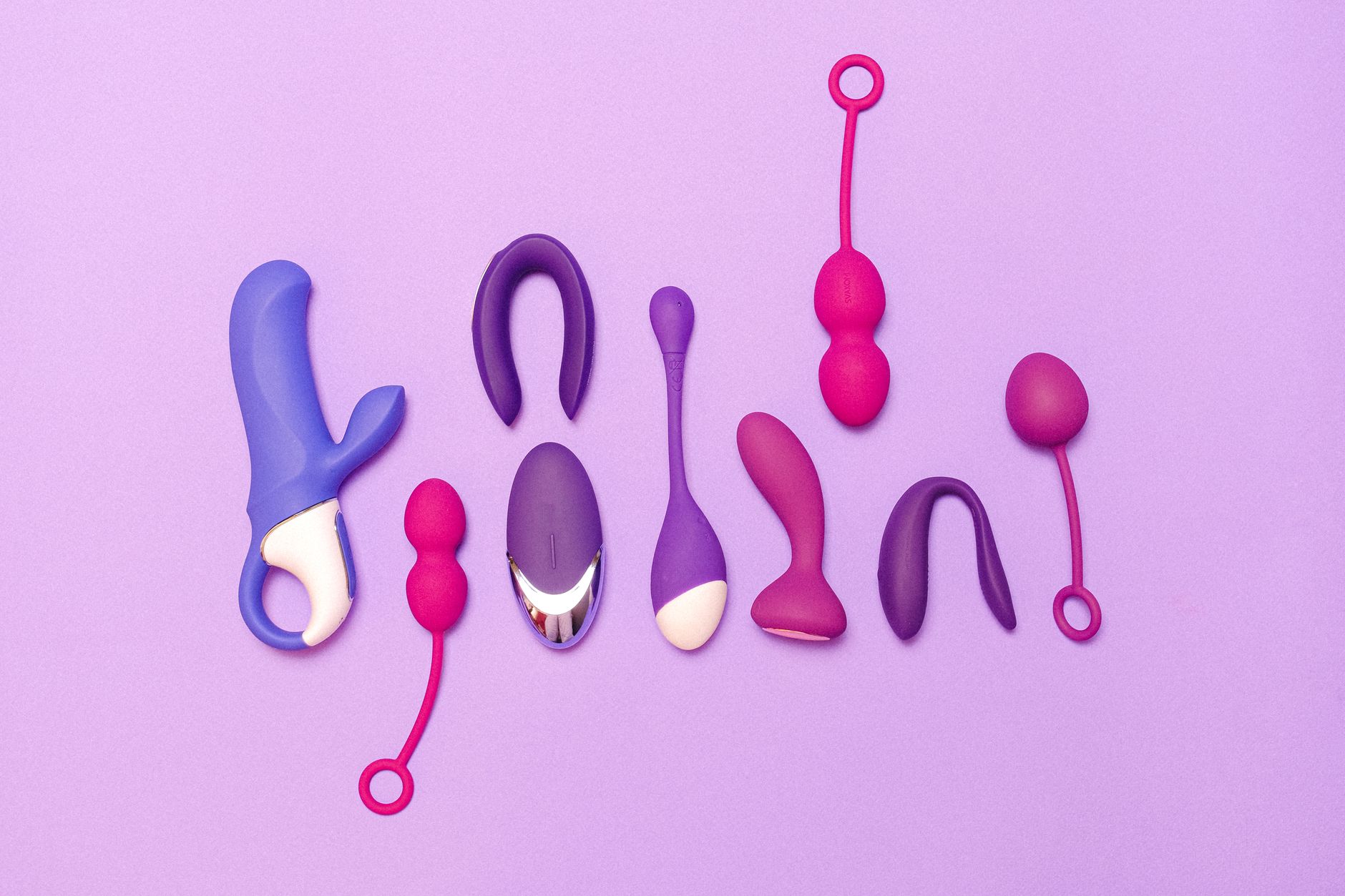
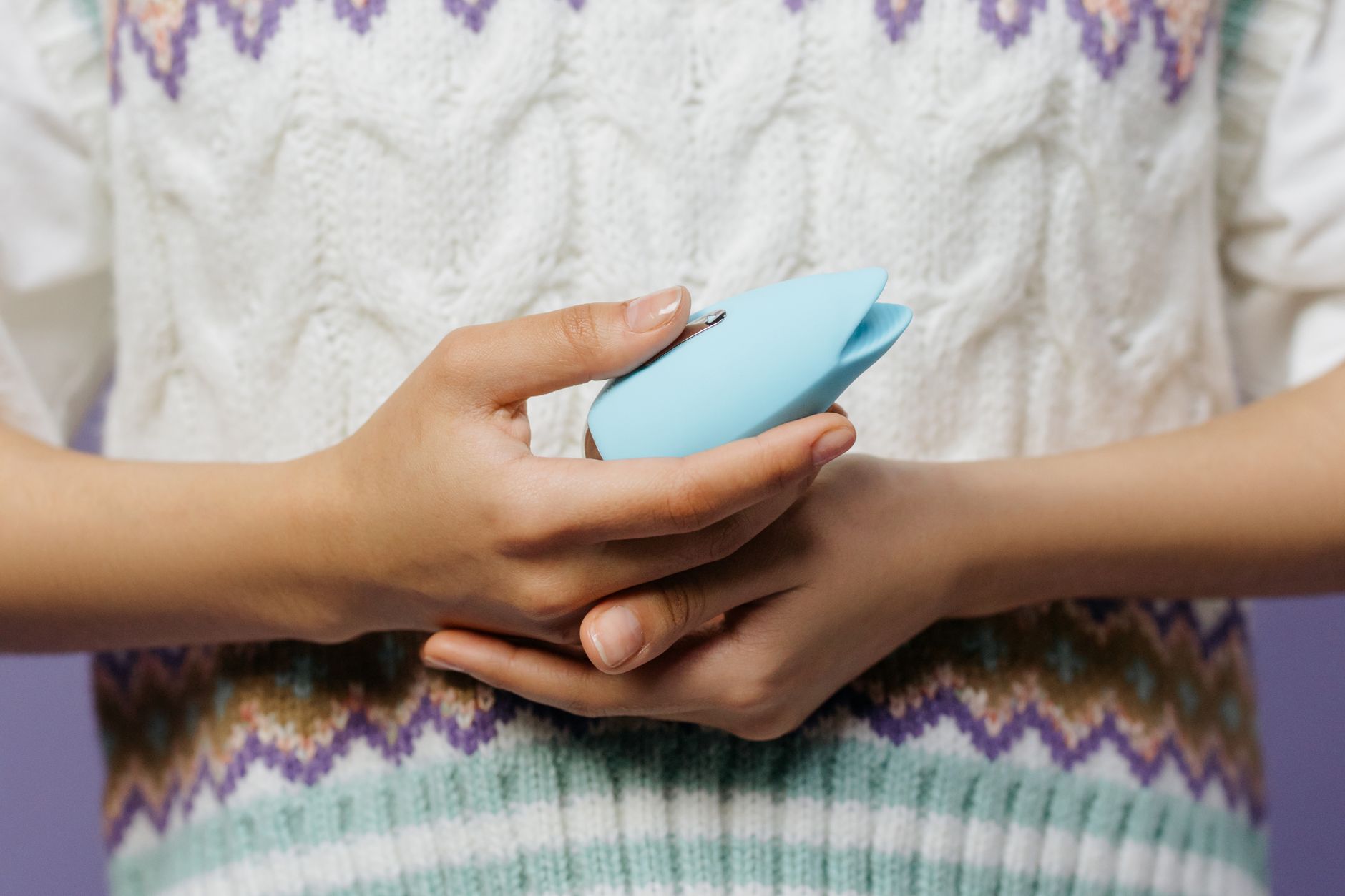
For a first purchase, simple operation, adjustable intensity, manageable noise, clear material information, and easy cleaning are often more useful than a long list of modes. Products that touch skin or mucous membranes should have intact surfaces and clearly described materials; strong chemical odors, unexplained tackiness, cracks, or vague labeling are reasons to avoid continued use. Silicone, glass, and metal each have different textures and care requirements, while marketing terms such as “medical grade” should not replace checking the manufacturer’s instructions. Clean the item as directed, dry it completely, and store it away from heat, sunlight, moisture, and other products that could damage its surface.
- Beginners may prefer a compact design with clear controls and low cleaning complexity.
- Check the charging method, buttons, and water-resistance rating; water-resistant does not always mean suitable for immersion.
- Do not share toys without appropriate cleaning and protection, especially when moving between body areas.
Privacy, consent, and personal boundaries
Consent matters even when a person is alone: anyone can change their mind, pause, or stop without needing to justify the decision. If intimate experiences are discussed with a partner, both people should agree on what is shared and whether photos, videos, or messages may be stored or forwarded. Home use also calls for practical safety checks around batteries, charging, fragile materials, sharp edges, and access by children. Adult products are intended for adults and should be used according to local law and manufacturer guidance. Any interaction involving another person must be voluntary, informed, specific, and reversible.
When professional support makes sense
Persistent pain, itching, bleeding, wounds, urinary discomfort, unusual discharge, or ongoing irritation should not be managed only with rest or a new product. A primary-care clinician, gynecologist, urologist, dermatologist, or sexual-health clinic can assess symptoms according to the relevant body area. If solo sexual behavior is accompanied by intense anxiety, shame, trauma reminders, insomnia, or disruption to work and relationships, a licensed therapist, mental-health clinician, or sex therapist may offer confidential support. Keep the product and relevant use information if an injury may be connected to it, as those details can help with assessment. This article provides general health information and does not replace individualized medical advice.
Solo exploration can be an ordinary form of private adult self-care, but health cannot be judged only by whether someone does it or how often. More useful standards are voluntary participation, physical comfort, safer practices, privacy, and the ability to maintain everyday life and relationships. Checking materials and cleaning instructions, noticing bodily signals, questioning myths, and seeking support when distress persists create a more grounded approach to sexual health. The goal is not to promote a required behavior, but to give adults practical information for making informed, respectful choices.
FAQ
How often is masturbation considered normal?
There is no universal frequency that applies to every adult. If it is voluntary, comfortable, and does not cause injury or interfere with sleep, work, relationships, or responsibilities, frequency alone does not define a problem.
Can masturbation cause blindness, infertility, or permanent weakness?
Reliable medical information does not support those claims. Pain, bleeding, persistent numbness, or other unusual symptoms should be taken seriously and assessed by a healthcare professional.
How should an adult toy be cleaned?
Follow the manufacturer’s cleaning instructions and dry the product fully before storage. Do not continue using an item with cracks, unexplained tackiness, strong chemical odor, or unclear material information, and avoid sharing without suitable cleaning and protection.
When should someone seek professional help?
Seek medical advice for persistent pain, wounds, urinary discomfort, unusual discharge, or irritation. Mental-health or sexual-health support may also be useful when the behavior feels difficult to control or causes ongoing distress and disruption.