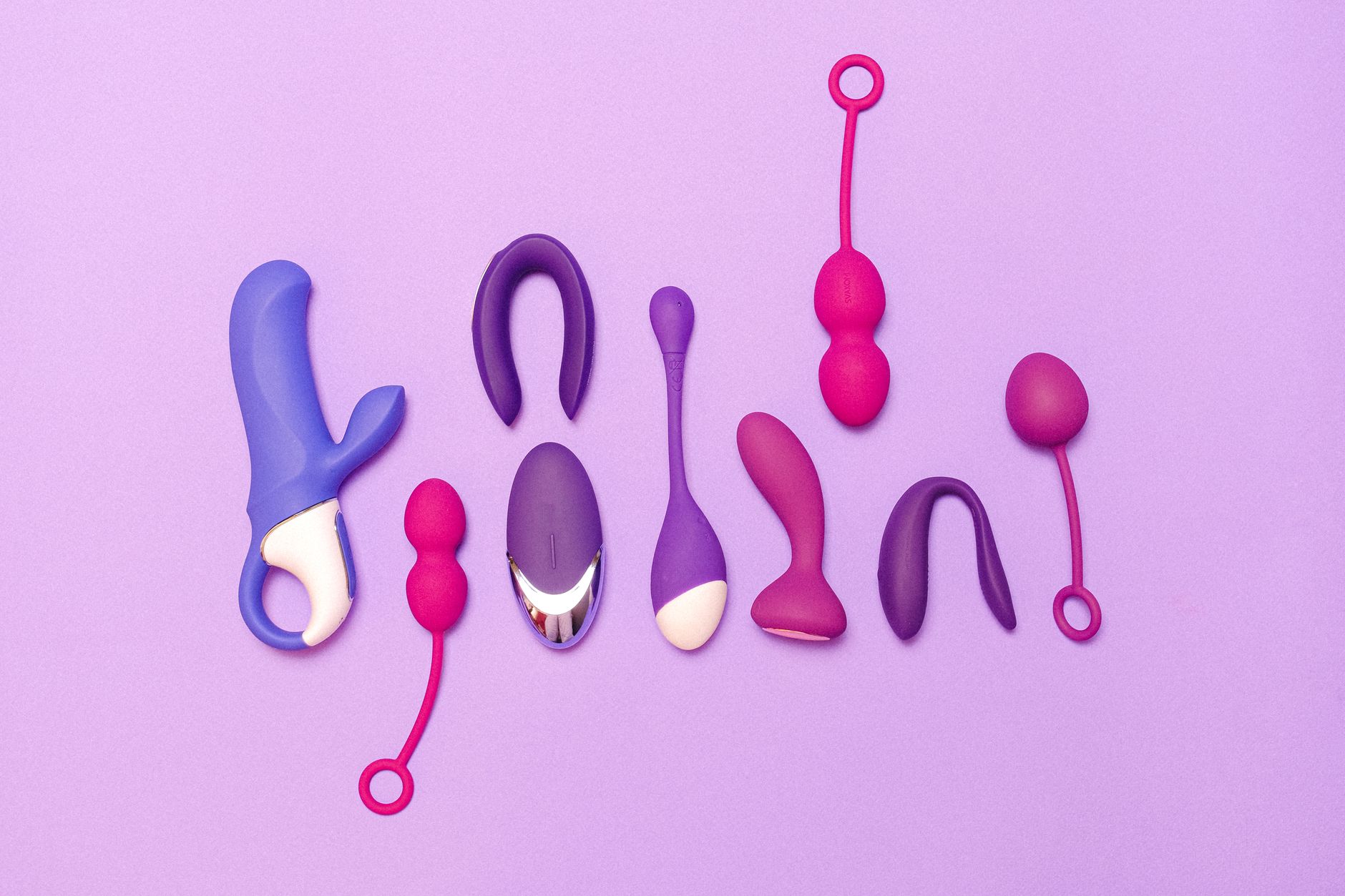
When one partner brings up trying sex toys and the other person freezes, feels shy, or quietly panics, it does not automatically mean the relationship is in trouble. For many adults, this may be the first time anyone直接 connects a real relationship with products they have only seen in movies, jokes, or late‑night ads, so it is natural for old beliefs and embarrassment to surface. Questions like “Am I not enough?”, “Will this hurt?”, or “What if I look awkward?” are extremely common but seldom spoken out loud. This article uses a Q&A format to unpack those mixed feelings: how to say “I’m not ready”, how to ask for information, how to plan a first trial, and how to talk afterward. The goal is not to push anyone into using a toy, but to show practical ways couples can protect both emotional safety and curiosity.
Q1: My partner suggested using sex toys and I feel shy and unsure. How do I respond in the moment?
In the first few seconds, it helps to focus on acknowledging feelings instead of making a final decision. Rather than forcing yourself to say yes or blurting out a sharp no, try a middle path like, “I’m glad you trust me enough to bring this up, but I feel a bit shy and need some time to think.” This kind of response recognises your partner’s courage in speaking up while also clearly stating your own limits. Many people grew up with mixed or negative messages about sexual products, so their first reaction is shaped by years of silence rather than their present‑day values. Seeing it this way can reduce self‑judgement. Once the initial surprise passes, you can suggest setting aside time later to talk more calmly, so both of you are not negotiating something sensitive while half‑dressed, tired, or rushed.
Q2: How can I share my worries without making my partner feel rejected?
A useful structure is to divide your message into three pieces: appreciation, feeling, and boundary. Appreciation might sound like, “Thank you for telling me what you want; that’s not easy to say.” Feeling could be, “Right now I’m nervous and not used to the idea of sex toys.” Boundary is where you explain what you are currently open to, for example, “I’m okay to read some information together, but I’m not ready to use anything yet.” This shows that you are not dismissing their desire, only describing your own pace. If you struggle to speak in the moment, writing a message first and editing it before sending can also help organise your thoughts. The key is to frame the conversation as “two people solving a puzzle together” instead of “one person blocking the other,” so neither partner becomes the villain in their own mind.
Q3: I worry about hygiene and safety. How can we research this together without killing the mood?
Concerns about cleanliness, materials, or long‑term safety are practical, not overreacting, and can be turned into a teamwork task rather than a private fear. You might say, “I’d feel more comfortable if we checked what materials are safe and how to clean them. Would you look it up with me?” Then you can browse a couple of guides from specialist stores or educational sites, focusing on basics like what materials are body‑safe, which items are waterproof, and how to clean and store them between uses. Some couples even turn this into a small “research date,” scrolling together on the sofa and commenting on what looks intimidating, what feels too advanced, and what feels neutral or approachable. Once both people know who will wash the toy, where it will be kept, and how to handle it discreetly, the unknown starts to shrink, and trying something simple can feel more like a shared experiment than a risk.
Q4: How do we set boundaries and pace for a first trial with a toy?
Instead of treating the first attempt as a performance, it can be framed as a gentle test run with no fixed outcome. Before anything touches the body, talk about a few basic rules: which areas are okay and which are off‑limits for now, who will hold and control the toy, and what word or gesture means “pause” or “stop immediately.” Many couples choose an easy safe word like “pause” or “slow” so they do not have to invent something under pressure. It can also help to start with non‑penetrative options such as a small external vibrator or massager, letting the body get used to new sensations on the skin only. If either person starts laughing from nervousness, that does not mean the moment is ruined; laughing together can actually lower tension and help you both reset. Most importantly, anyone can change their mind at any point. Stopping halfway is not a failure; it is a sign that both partners are learning to listen to their own and each other’s signals.
Q5: I’m afraid the toy will replace me. How do I handle the fear of being compared?
It is very common to worry that introducing a device means you are somehow not attractive or skilled enough. One way to re‑frame this is to see toys as accessories that can change the tempo, not replacements for a human partner. They cannot hug, listen, or share inside jokes; they only add certain types of sensation. If this fear stays loud in your mind, name it gently in conversation: “I’m a bit scared I’ll end up feeling compared to a gadget.” This gives your partner a chance to reassure you and to explain what the toy means to them—perhaps a way to explore variety, to reduce pressure on one person, or to make solo and partnered experiences more consistent. You can also agree on a principle that the focus stays on mutual connection, not on chasing specific reactions. When both people agree that no tool is more important than emotional safety, it becomes easier to see toys as optional extras rather than silent judges of someone’s worth.
Q6: What if I ultimately decide I do not want to use sex toys at all?
Saying no after careful thought is different from refusing to talk. If, after research and discussions, you still feel sex toys are not for you right now, it is fair to be honest. You can start by acknowledging what you have both done: “I appreciate that we talked and read about this together.” Then share your current truth: “Even after learning more, I still don’t feel comfortable using a toy, at least for now.” Finally, offer another path, such as, “I’m willing to keep exploring different ways of being intimate without products, and we can revisit this topic if my feelings change.” This approach respects your own boundaries while also showing your partner that their desires were heard and taken seriously. Some couples agree to check in again after a few months, while others decide that toys simply are not part of their relationship. Either choice can be healthy if it comes from open communication rather than silent resentment.
Q7: How can we choose beginner‑friendly toys together without making it awkward?
Once both partners share a “let’s try something small” attitude, choosing your first item becomes part of the learning process. For beginners, it is usually easier to start with discreet, simple designs—such as a compact external vibrator or a massage wand with straightforward buttons and a clear manual. You can talk through practical points like noise level, how easy it is to clean, whether it has adjustable intensity, and whether the shape feels non‑threatening. Some couples prefer devices that look more like wellness tools than explicit objects, so they feel calmer about storage and travel. If your preferences differ—one wants stronger settings, the other wants gentle ones—you might compromise on a model with wide intensity ranges or agree to start at the lowest level and move up only with explicit consent. Remember that the goal is not to find a “perfect” device on the first try, but to practice voicing preferences and respecting hesitation without pressure.
Q8: How do we talk about how it felt during and after using a toy?
For many people, the hardest part is not saying yes or no, but talking afterward about what actually happened. You can make this easier by agreeing in advance that after using any new toy, you will each share one thing that felt good and one thing that felt off. Keep questions specific and neutral, such as, “Which part helped you relax the most?” or “Was any moment too intense?” rather than “Did you enjoy it more than usual?” If something made you uncomfortable, try describing the situation instead of criticising your partner—for example, “When the setting changed suddenly, my body tensed up,” which invites problem‑solving instead of blame. Post‑experience conversations are also a good time to notice emotions: Did anyone feel self‑conscious, unexpectedly emotional, or pleasantly surprised? If any physical discomfort or emotional distress lingers, it can be wise to pause further experiments and, if needed, consult a qualified medical or mental health professional. Information in this kind of guide is for general education, and personal decisions are best made with appropriate professional support when concerns arise.
Closing thoughts: communication matters more than any toy
Sex toys are optional; mutual respect and clear communication are not. When a partner suggests trying something new and the other person feels uncertain, the way the conversation unfolds often matters more than whether a toy is ever purchased or used. Naming emotions, asking questions, setting boundaries, and pausing when needed all send the message, “This relationship values both of us, not just a goal.” Some couples will eventually become comfortable experimenting; others will find that talking about the idea itself already deepens their understanding of each other. In either case, approaching the topic with patience, honesty, and care gives both people a chance to feel seen and heard, which is one of the most important foundations for any intimate relationship.
FAQ
Will saying no to sex toys damage my relationship?
A thoughtful no does not automatically damage a relationship; what often causes strain is avoiding the topic or dismissing your partner’s feelings. If you clearly explain why you are uncomfortable and still show interest in other forms of intimacy, your partner can see that you are rejecting a specific idea, not rejecting them. Over time, honest discussions about both of your needs can even strengthen trust, regardless of whether toys are part of your relationship.
How do we keep sex toys discreet if we live with family or roommates?
Discretion can be built into the conversation from the start by treating privacy as a shared priority, not just one person’s issue. You can focus on small, quiet designs that resemble wellness devices and choose storage options like pouches or locked boxes that blend into the room. Agreeing on when items are used and who cleans and puts them away also helps reduce the risk of accidental discovery. When privacy concerns are respected, it is easier for both partners to feel at ease.
Is it okay to stop using a toy halfway if something feels off?
Yes, stopping at any point is not only okay but important for both physical and emotional wellbeing. Agreeing on a clear signal to pause before you start makes it easier to act quickly if discomfort appears. Afterward, you can talk about what felt off—whether it was intensity, placement, timing, or mood—and decide together whether to adjust or to take a longer break. If pain, distress, or other worries persist, seeking advice from a qualified professional can be helpful; this article is for general information and does not replace personal medical or psychological guidance.
Do we need special products like specific lubricants for sex toys?
What you need depends on the type of toy, its material, and how you plan to use it, so there is no single answer that fits every situation. Many manufacturers include instructions that mention which kinds of lubricants are compatible and how to clean the product safely, and these directions are worth following. If you are unsure, you can read educational resources together or ask a knowledgeable retailer. Any suggestions you find should be treated as general guidance, while your final choices are best made based on your own comfort and, when necessary, professional advice.