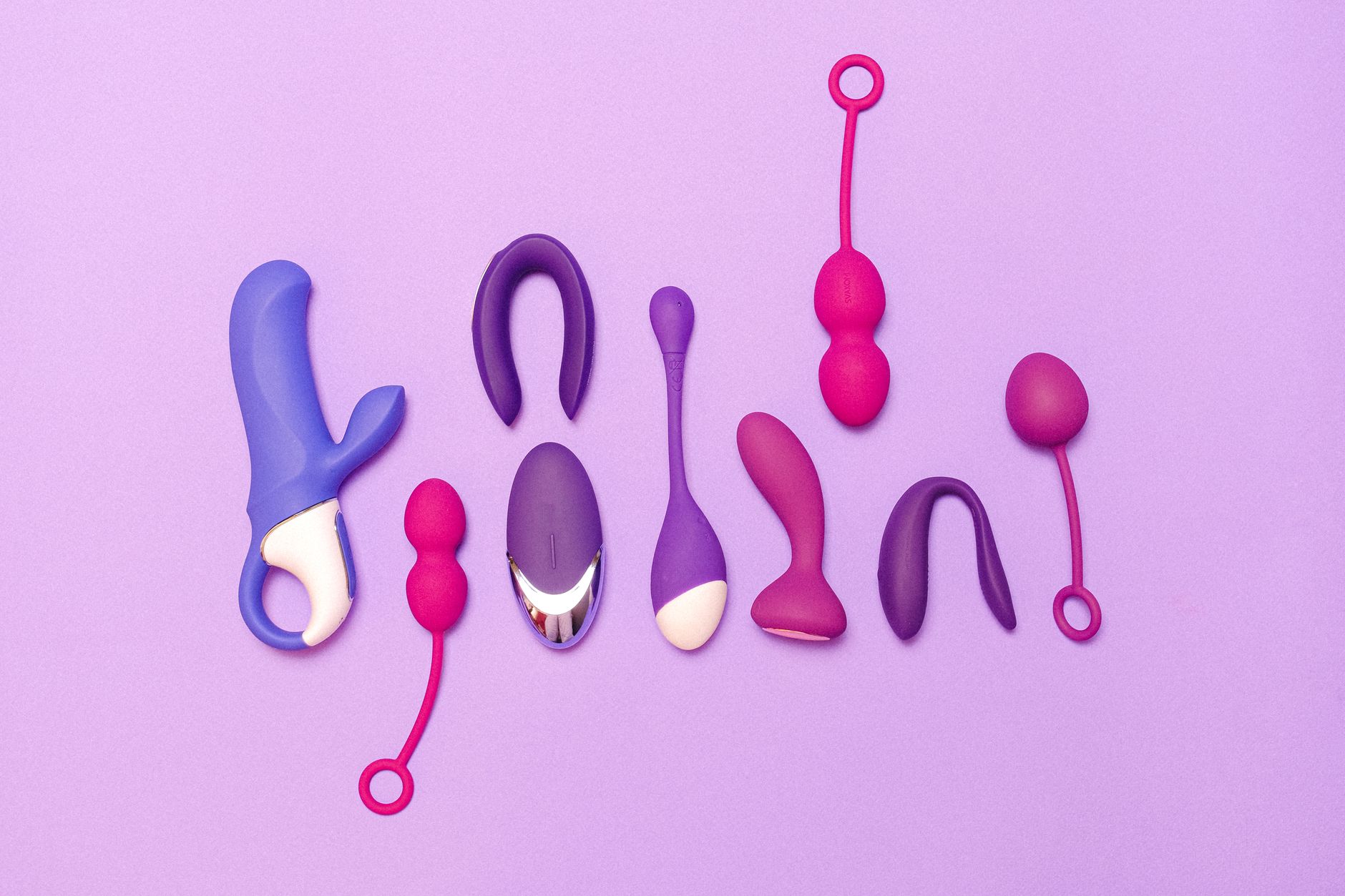
For many couples, sex toys are interesting in theory but hard to mention out loud. The worry is common: a partner might feel judged, pressured or think something is wrong with the relationship. In reality, sex toys are just tools that add options, not a verdict on anyone’s performance. When the topic is framed as “exploring something new together,” it usually lands much softer. This article focuses on how to start the conversation, how to listen, and how to keep boundaries and consent at the center, rather than pushing specific products or acts. Readers can treat the steps as a flexible script and adapt them to their own tone and culture, instead of feeling they must disclose everything at once.
Know your own motives before you bring it up
Before talking to a partner, it helps to be clear about why sex toys came to mind. Some people are simply curious after seeing reviews of vibrators, wands or couple toys. Others hope to bring a bit of novelty into a long‑term relationship that has become busy and routine. There are also practical triggers, like long‑distance arrangements or mismatched schedules that limit shared intimate time. Each motive calls for a different way of speaking. Curiosity can be framed as “I’ve seen a lot of people talking about these and I’m wondering what we think about it,” while relationship‑focused motives might sound more like “lately life has been so packed that we rarely have just‑us time, and I’m looking for new ways we could reconnect.” When the emphasis is on “us” rather than “you should,” partners are less likely to feel blamed.
Choose relaxed moments and private spaces
Even a good topic can go badly if it appears in the middle of stress or conflict. Private, low‑pressure moments tend to work better: after dinner on the couch, during a quiet weekend morning, or winding down after a trip. Public settings or group conversations are usually not ideal, because a partner may feel exposed or embarrassed. It can be helpful to ask for permission before diving in, with something like “I’d like to talk about something a bit intimate. Is now okay, or should we pick another time?” This signals that the partner has real power to say no or later, which already builds safety. A slower start also gives both sides room to notice their feelings instead of reacting impulsively.
Use neutral language and avoid blame or comparison
Words carry a lot of weight around intimate topics. Terms like “kinky” or “weird” can trigger shame, while more neutral phrases such as “sex toys,” “intimacy tools” or “little gadgets for us” feel less loaded. Blame statements like “you never initiate” or “other people’s partners do more” easily turn the conversation into a performance review. Swapping them for open questions often helps, for example “are there things you’re curious about but we haven’t talked about yet?” This shifts the focus from judging one person to exploring shared curiosity. If a partner looks anxious or goes quiet, naming that as understandable and slowing down the depth of the discussion can be more effective than filling the silence with jokes. The goal is not to impress with bold ideas but to build a space where both feel safe to be honest.
Talk about boundaries and safety before specific toys
For many people, the first need is not “which vibrator to buy” but “how far are we comfortable going.” Boundaries can include where toys are kept, how often they might be used, whether items are shared or kept personal, and which body areas or styles are off‑limits. One partner might be open to exploring external vibrators and simple wands but feel uneasy about anal toys or intense restraint. Another may prefer to keep some solo toys private while being happy to discuss couple‑oriented products. Mapping out “areas we’re open to,” “areas we’re unsure about,” and “areas that are no for now” keeps expectations realistic. Safety can cover materials, cleaning routines and storage to protect privacy. When these basics are addressed first, suggestions later feel less like a surprise demand and more like part of a planned, respectful experiment.
Introduce options as a joint research project
Once there is a base level of trust, partners can start looking at concrete categories together. Many people find it easier to browse reviews or guides side by side than to be handed a single intense product. Entry‑level choices might include external vibrators, small massage wands or simple lubricants that make shared touch smoother. For more cautious partners, characteristics like “discreet‑looking, easy to clean, not obvious if someone sees the drawer” can matter more than any advanced feature. Inviting the partner to pick items they are curious about, instead of presenting a fixed list, reinforces shared ownership. It also leaves room to discuss pros and cons, such as noise level, material feel and how much effort cleaning would require, making the talk practical rather than purely abstract.
Keep consent, refusal and pause options at the center
Opening the topic does not mean everything suggested has to happen. Healthy conversations treat “no” and “not now” as everyday answers, not relationship threats. When a partner says a particular toy or scenario feels uncomfortable, responding with “thank you for telling me, your comfort matters and I don’t want to push this” can be reassuring. Some people need time to process new ideas, so checking in later instead of repeatedly insisting tends to work better. It can also help to agree on simple signals for pausing during actual use, and to remind each other that any experiment can be stopped without it being a failure. If discussions touch on deeper emotional or mental health themes, pointing out that professional medical or psychological advice is a more suitable resource keeps expectations realistic and underlines that the article’s tips are for reflection, not treatment.
Avoid linking performance value to toy use
A common fear is that toys will become a silent scoreboard: machines versus humans. Partners might worry that being interested in toys means they are not enough, or that declining certain items will be seen as boring. Making it explicit that toys are additions, not replacements, can counter this belief. Everyday metaphors help, such as comparing options to choosing different movie genres depending on mood; one style is not inherently better, just different. It is also useful to avoid phrases like “this will make you so much better” or “without toys things are plain,” which can turn preference into judgment. Bringing the focus back to shared enjoyment, comfort and emotional closeness keeps the conversation anchored in the relationship rather than in metrics of performance.
Revisit the topic over time and adjust together
Sex toy conversations are usually more helpful as an ongoing thread than a one‑off talk. Every few months, a simple question like “how do you feel now about what we discussed earlier?” can open space for updated feelings without pressure. Experiences may change perspectives: something that sounded exciting on paper could feel awkward in practice, or a previously hesitant partner might discover they enjoy certain types of toys more than expected. Giving room for mixed reviews, including disappointment or discomfort, prevents people from pretending for the sake of harmony. Throughout, it remains wise to treat any guidance, including this article, as general information rather than personal medical advice, and to seek professional support where health or trauma concerns arise. When a couple can speak honestly about these details, sex toys stop being a secret source of tension and become just one more topic they can navigate together.
FAQ
What if my partner reacts with embarrassment the moment sex toys are mentioned?
Embarrassment is a common first reaction and does not necessarily mean rejection. Acknowledging it gently, for example by saying that it is normal to feel awkward about intimate topics, can take some pressure off. You can then clarify that you are not trying to force anything and that you are open to postponing the talk. Giving the partner space to process and inviting their pace, rather than continuing with heavy detail, helps keep trust intact.
How can I tell whether my partner is truly interested in sex toys and not just agreeing to please me?
Signs of genuine interest often include questions, personal opinions and preferences, not just neutral statements like “whatever you want.” You might look for whether your partner suggests adjustments, raises practical concerns or proposes alternatives. Building in clear options to pause or say no, and explicitly stating that refusal will be respected, reduces the pressure to say yes for harmony. Taking things in stages, with several conversations before buying or using anything, also makes room for more honest responses.
Do we need to talk about materials and cleaning routines when discussing sex toys?
For many people, material and cleaning are central to feeling safe and comfortable. Including questions about how a toy will be cleaned, how it will be stored and whether it looks discreet can shift the conversation from abstract fantasy to practical daily life. This helps partners who care about hygiene or privacy feel that their concerns are valid, and it can guide you toward products that truly fit your shared routine rather than just appealing in marketing photos.
Is it okay to use sex toys on my own before deciding whether to tell my partner?
Whether to share solo use depends on the boundaries and expectations in your particular relationship. Some couples prefer open disclosure about intimate tools, while others maintain more private personal spaces. The key is to avoid actions that violate agreed‑upon limits and, when the topic does come up, to speak honestly and respectfully rather than hiding out of fear. If you are unsure, a broader conversation about privacy and what each person expects can be a good starting point before talking about specific toys.