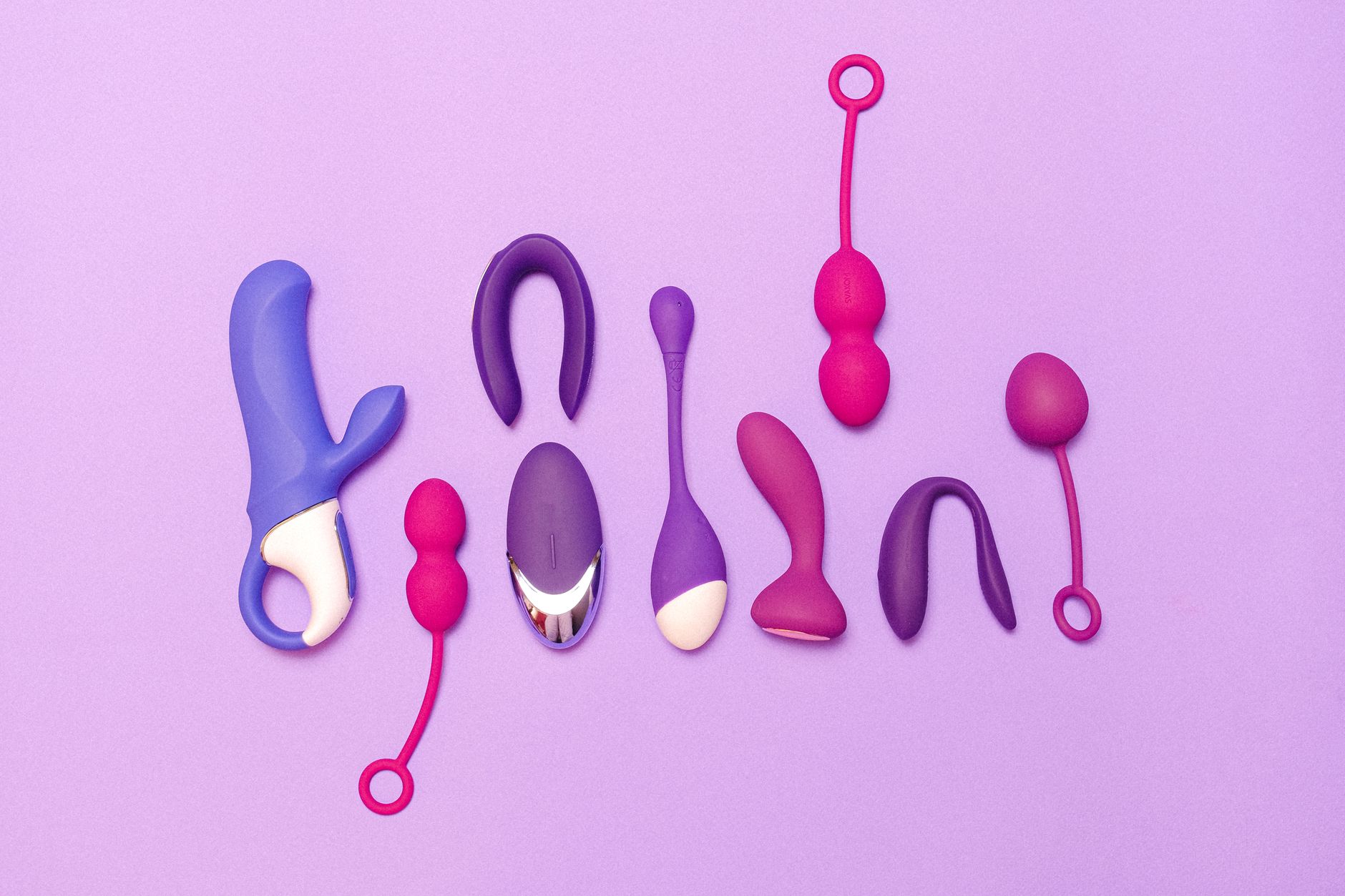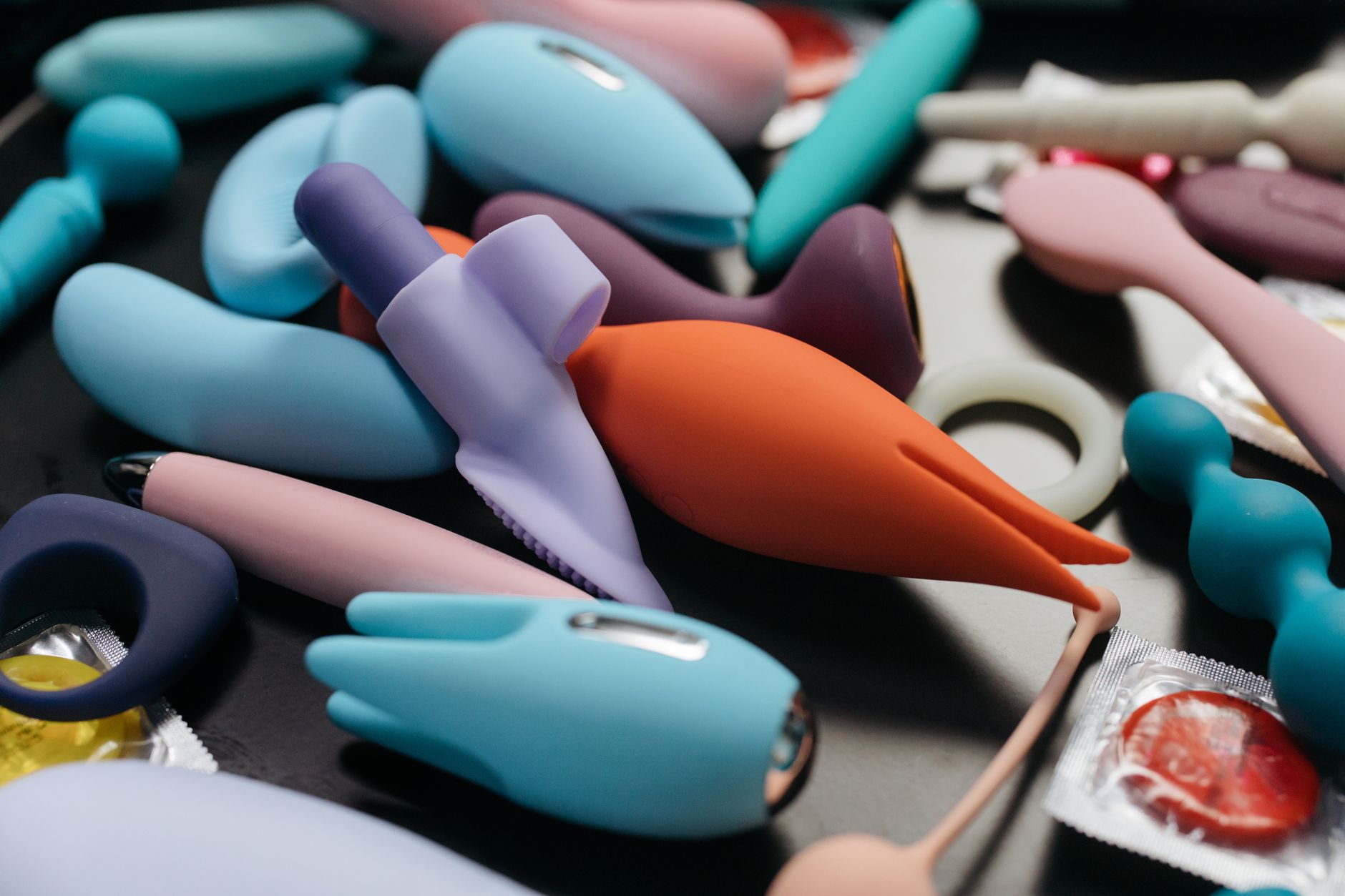
Material safety is a reasonable concern when an adult toy is made from TPE or PVC, especially when the product has prolonged skin contact or is used around intimate areas. The material name alone does not tell the whole story: formulation, additives, surface condition, manufacturing quality, cleaning instructions, and storage all matter. TPE and PVC can both be made soft, but they are not interchangeable terms, and a vague claim such as “body-safe” does not replace a full material disclosure. This guide explains phthalate concerns, practical label checks, cleaning limits, lubricant compatibility, and signs that a product should no longer be used.
What are TPE and PVC?
TPE means thermoplastic elastomer, a broad group of flexible materials rather than one single formula. Different TPE products may use different base polymers, oils, fillers, and surface treatments, so texture, tackiness, odor, and durability can vary considerably. PVC, or polyvinyl chloride, is naturally more rigid and may require plasticizers or other softening ingredients to create a flexible product. That is why soft PVC is often discussed in relation to plasticizer exposure, although the word PVC alone does not identify the exact additives used in a particular toy.
Many soft TPE and PVC products are porous or semi-porous, meaning the surface can retain oils, lubricant residue, and cleaning products more readily than nonporous materials. A listing that only says “soft,” “realistic,” or “premium material” leaves important questions unanswered. Consumers should look for the actual material description, whether the product is advertised as phthalate-free, and whether the seller provides a manufacturer, importer, batch, or test-document trail.
What does the phthalate concern mean?
Phthalates are a group of chemicals that can be used to make plastics more flexible. Some phthalates have been associated by regulators with reproductive or developmental concerns, and rules differ by product type and jurisdiction. California’s Proposition 65 information identifies several phthalates because of reproductive-harm or cancer concerns, while European guidance restricts certain phthalates in children’s toys and childcare articles. Those rules should not be treated as a direct safety certification for adult products, but they show why transparent material information matters.
Risk depends on factors such as the substance, concentration, route of exposure, contact time, temperature, and condition of the product. “May contain” should not be interpreted as proof that one brief use will cause harm, but a missing ingredient list also should not be treated as evidence of safety. Extra caution is sensible when a product has a strong chemical odor, leaves an oily film, becomes sticky with age, or comes from a seller that cannot answer basic material questions. Anyone who develops persistent burning, itching, redness, or swelling should stop using the product and seek medical advice.
How to read the product listing
A reliable listing should provide more than a close-up photograph and a promise that the material is harmless. Check whether it names the material in specific terms, identifies the manufacturer or importer, includes a batch or model number, explains cleaning and water resistance, and states which lubricants are compatible. If a seller claims “phthalate-free,” ask what was tested, which substances were included, which laboratory performed the test, and whether the document matches the same product and batch. A generic certificate for an unrelated item does not answer those questions.
A practical purchasing checklist includes:
- Look for a complete material description instead of relying on “soft” or “skin-friendly.”
- Check for a manufacturer, importer, batch number, and customer-service contact.
- Ask for a relevant third-party test report when chemical content is a concern.
- Avoid products with a strong chemical odor, unexplained oiliness, damaged packaging, or no traceable seller.
- Treat broad claims such as “non-toxic” or “body-safe” as marketing language unless supporting details are available.
Cleaning and storage for TPE and PVC
Porous and semi-porous materials are generally harder to clean thoroughly than glass, stainless steel, or high-quality silicone. After use, follow the product instructions and wash with lukewarm water and a mild, fragrance-free cleanser when appropriate. Rinse carefully, pat away moisture, and allow the item to air-dry completely before placing it in a bag or container. Do not soak a product for long periods, use bleach or alcohol, or boil it unless the manufacturer specifically confirms that the material and electronics can tolerate that method.
Lubricant compatibility deserves separate attention. Water-based lubricant is often easier to remove, while oil-based products can cause some soft plastics to swell, become tacky, or age faster. Silicone lubricant may also be incompatible with certain finishes or blends, so the manufacturer’s instructions should take priority over general online advice. Store each soft item separately in a clean, dry fabric pouch, away from heat and direct sunlight. If the surface develops persistent oiliness, discoloration, cracks, unusual odor, or a changed texture, replacing the product is more sensible than repeatedly trying stronger cleaners.
When should shoppers consider other materials?
Consumers who prioritize cleanability and long-term inspection may prefer nonporous options such as high-quality silicone, glass, or stainless steel. These materials are not automatically risk-free: coatings can peel, surfaces can crack, and poor manufacturing can still create problems. Glass and stainless steel are usually easy to wipe down but differ in weight, temperature, and handling. Silicone can feel softer and more flexible, but shoppers should verify that the product is actually silicone rather than a vague blend using a similar-sounding label.
TPE or PVC may still be considered when the seller provides clear, traceable information and the buyer understands the maintenance limits. The decision should focus less on softness and more on formulation transparency, surface stability, cleaning requirements, and after-sales accountability. Products should not be shared casually; if sharing is planned, follow the product instructions and use an appropriate barrier. Anyone with a history of contact sensitivity should avoid repeated self-testing and instead discuss the product, packaging, and exposure pattern with a qualified healthcare professional.
A simple inspection routine
Safety is not decided only at checkout. When the package arrives, inspect the surface, seams, odor, and any oily film before use. The fact that a product has already been purchased is not a reason to ignore unusual changes. For first use, keep the situation easy to monitor and note whether the material changes after cleaning or storage. A product that repeatedly becomes sticky or develops a strong odor after normal care is not a good candidate for continued use.
- Before buying: confirm the material, seller, batch information, test details, and lubricant compatibility.
- After opening: inspect for cracks, residue, damage, strong odor, or unexplained oiliness.
- During use: stay within the manufacturer’s limits for time, temperature, cleaning, and water exposure.
- After use: wash gently, dry fully, and store separately in a clean fabric pouch.
- If symptoms occur: stop using the product; persistent discomfort warrants professional medical advice.
TPE and PVC should not be reduced to a simple “safe” or “unsafe” label. The more useful questions are whether the formulation is disclosed, whether the product has a traceable source, whether the surface remains stable, and whether it can be cleaned and stored as instructed. Phthalate concerns are a reason to ask better questions, not a reason to assume that every soft plastic product has the same risk profile. For long-term use and easier maintenance, nonporous materials may be simpler to manage; when choosing a soft plastic product, transparent labeling and observable material condition should be treated as basic requirements.
FAQ
Does every TPE sex toy contain phthalates?
Not necessarily. TPE describes a broad family of thermoplastic elastomers, and formulas vary between products. The material name alone cannot confirm whether a specific phthalate is present, so shoppers should check the full material disclosure and any relevant test information.
How can someone evaluate a PVC sex toy before buying it?
Check whether the listing identifies the manufacturer, batch or model details, complete material information, and cleaning instructions. Ask whether phthalates are used and whether a test report applies to the same product; strong odor, visible oiliness, or an untraceable seller are reasons to choose another item.
Can oil-based lubricant be used with TPE or PVC?
Compatibility varies, and oil-based products may cause some soft plastics to swell, become tacky, or age faster. Follow the manufacturer’s instructions; when no clear information is available, a water-based lubricant is often easier to clean and verify.
Should a toy be replaced if it becomes sticky or develops an odor?
Yes, persistent stickiness, oiliness, discoloration, cracks, an unusual odor, or a changed texture are reasons to stop using the product. If contact is followed by ongoing burning, itching, redness, or swelling, seek advice from a qualified healthcare professional.