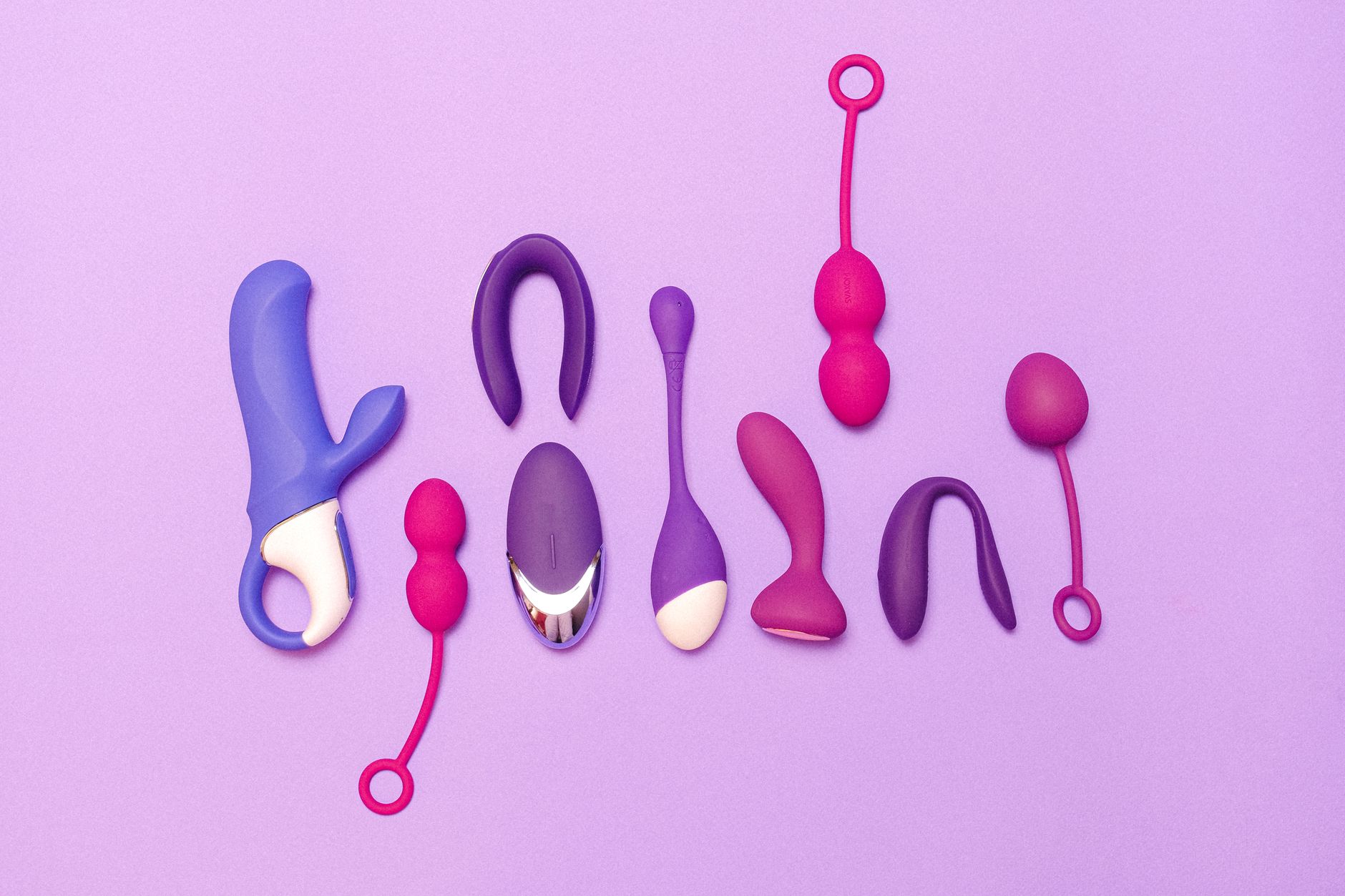
When people first look at sex toys, it is easy to be impressed by claims like “10 vibration modes” or “20 patterns”. At a glance, more modes can look like better performance or a more advanced product. In practice, though, vibration modes are only one piece of the overall experience, alongside shape, material, intensity, noise level, ease of cleaning and how intuitive the controls feel. Many users later notice that they rely on one or two favorite settings while barely touching the rest of the patterns. That is why it helps to ask what kind of vibration changes are genuinely useful for your body and habits, instead of simply chasing numbers. This article unpacks how modes work and uses everyday scenarios to show who benefits from rich patterns and who may be happier with straightforward, easy-to-use designs.
Understanding vibration modes: thinking in intensity and rhythm
Before comparing products, it is helpful to break vibration settings into two separate axes: intensity and rhythm. Intensity levels describe how strong the vibration feels, usually moving from gentle through moderate to relatively powerful, which also influences how loud the toy sounds. Rhythm refers to the pattern of pulses over time, such as a steady continuous buzz, slow build-up and fade, short pulses or wave-like undulations. Toys with many modes tend to combine different intensities and rhythms into preset patterns so that a single button press can change the overall feel, while beginner-friendly models focus on a few commonly used combinations with simpler controls. Once you view settings through intensity and rhythm, product pages and spec charts become easier to read, and you can start to decide whether you care more about fine-tuning strength or exploring varied patterns.
Where many modes shine: variety and playful experimentation
For some users, having many vibration modes brings real benefits. People who have already used vibrators or other toys for a while and feel bored with constant, unchanging vibration often enjoy patterns that ramp up and down, alternate fast and slow or layer different pulse lengths. These shifts can create a sense of anticipation and surprise during solo sessions or partner play. Some users also treat the mode list like a menu: on a relaxed evening they try several patterns in turn, notice which ones feel aligned with their mood or body response, and then bookmark two or three favorites to return to later. In partner scenarios, a richer set of rhythms can become a form of non-verbal communication, with partners taking turns choosing patterns or matching them to the atmosphere. Even so, most people still end up with a small personal shortlist, which matters more than the headline number printed on the box.
When too many modes become a drawback: control and learning curve
As the number of modes increases, drawbacks become more obvious, especially for beginners or anyone who values straightforward controls. Some toys pack a dozen or more patterns into one button, requiring short presses, long presses or a specific sequence to move through them. In the middle of use, a mis-press can jump suddenly to a very different rhythm, disrupting focus. In dim lighting or moments when someone does not feel like reading the manual, it can be hard to tell which mode is currently active without repeatedly cycling through options. The more modes there are, the more a user has to remember when trying to return to one specific favorite pattern. For people with busy lives, a toy offering three to five clear modes with distinct intensity steps and dedicated buttons can feel more relaxing than a complex pattern catalog. When browsing, it helps to ask whether you enjoy exploring menus or prefer “one press and it feels right” design.
Matching modes to real-life situations instead of theory
Vibration needs are closely tied to context and can shift over time rather than staying fixed. On quiet evenings at home with lots of time, some people enjoy slowly switching through patterns, observing their body’s reactions and treating the variety as part of exploration. On days when they are tired or stressed, they may only want a familiar setting that feels reliable and easy, without making decisions or trying new rhythms. Partner play adds extra layers: some couples like gradual build-ups, while others enjoy sharp changes or playful, stop-and-go pulses. Living arrangements matter as well, because stronger modes sometimes generate more noticeable noise, which can feel awkward in thin-walled apartments or shared housing. In those cases, users often settle on a few steady, relatively quiet modes for everyday use and keep bolder patterns for times when privacy feels better. Thinking about these real scenarios helps clarify how many modes you will actually use, rather than what looks impressive in theory.
Key criteria for beginners choosing vibration modes
For someone buying their first vibrator or other vibrating toy, mode count is usually less important than three practical criteria. First, the intensity steps should feel gradual and distinct so that the body can adjust slowly instead of jumping from very mild to suddenly strong. Second, the controls should be simple and predictable, ideally with separate power and mode buttons, a clear long-press to turn off and a layout that is hard to trigger by accident. Third, descriptions should be understandable, using labels like “steady”, “wave” or “pulse” instead of only numbers or icons, so that buyers can picture what each mode does before using it. Beginners typically spend the first few sessions learning how their sensitivity and preferences respond to vibration, and a toy with stable performance and friendly controls makes that process smoother, even with only a handful of modes. Once patterns and personal rhythm feel familiar, moving on to richer mode sets can become a deliberate step rather than an overwhelming jump.
Balancing modes with material, cleaning, noise and privacy
Focusing only on vibration patterns risks overlooking other factors that strongly shape day-to-day experience, such as material, waterproof rating, cleaning routine, charging design and storage. Many user reviews highlight that ease of use often depends on how secure the grip feels, whether the surface texture matches their comfort, how simple it is to rinse or wipe the toy and whether small seams trap residue. A toy with an impressive list of modes but a dust-attracting finish, awkward charging port or limited water resistance may cause more frustration than pleasure over time. Conversely, a design with moderate mode variety, a well-sealed body, smooth or easily cleaned material, reasonable noise control and compact storage can fit more naturally into everyday life. Choosing sex toys works best when vibration modes are treated as one element among several, not a standalone measure of quality. Because toys interact with the body, all information here is for general guidance only; anyone with specific health concerns should seek advice from qualified professionals.
Who is better served by many modes or by simpler presets
If we roughly group users, those with previous experience, curiosity about different sensations and patience for trying patterns are more likely to enjoy toys with many modes. Rich rhythms can complement partner scenes, role-play or explorations of pacing and build-up. On the other hand, beginners, people with tight schedules or those who find detailed controls distracting often feel more comfortable with a small, well-designed set of presets that cover gentle, moderate and stronger intensities without complex menus. Some users even keep two toys: a simple, reliable model for regular use and a compact, multi-mode device for occasional novelty. The goal is not to win a spec race but to find tools that support personal comfort and boundaries. Mode counts are only numbers; the more important question is whether the toy’s behavior matches how someone actually wants to use it.
Final thoughts: modes are options, not a scorecard
Returning to the central question, more vibration modes do not automatically make a sex toy better for every person. Extra patterns create options but also add complexity, while fewer modes prioritize ease and predictability. What matters most is how well the settings align with an individual’s body, mood, living situation and preferences around control and privacy, as well as whether the material and cleaning routine feel manageable. Any choices involving intimate experiences should take personal comfort seriously and avoid pressure to match others’ preferences. This guide is intended for adults as general information only; it is not medical or therapeutic advice. If discomfort, pain or health questions arise while using sex toys, it is wise to consult a healthcare professional to discuss what is appropriate for your situation.
FAQ
How many vibration modes should a first vibrator have?
A first vibrator does not need a long list of modes; three to five clear patterns are usually enough. More important than the count are gradual intensity steps, intuitive controls and descriptions that make it easy to understand what each mode does. Once you know how your body responds, you can decide later whether richer pattern options feel useful.
Are toys with many vibration modes harder to control during use?
They can be, especially if all patterns are packed into a single button. Cycling through a dozen modes often means more presses and a bigger chance of jumping to a very different rhythm by accident. Choosing toys with separate power and mode buttons, a clear way to switch off and a layout that resists mis-presses helps keep the experience steady and less distracting.
Besides vibration mode count, what else should I look at when buying a sex toy?
Material, waterproof rating, noise level, cleaning steps and storage are all important. A toy with impressive patterns but a surface that is hard to clean or loud operation may feel stressful to use in daily life. Balancing vibration options with practical aspects such as hygiene, comfort and privacy often leads to more satisfying choices.
Can information about vibration modes be treated as health advice?
Details about vibration modes and sex toy design are mainly about comfort and usage, not medical guidance. They are for general information and adult education. If you experience pain, unusual sensitivity or have questions about how toys interact with health conditions, you should consult a healthcare professional for advice tailored to you.