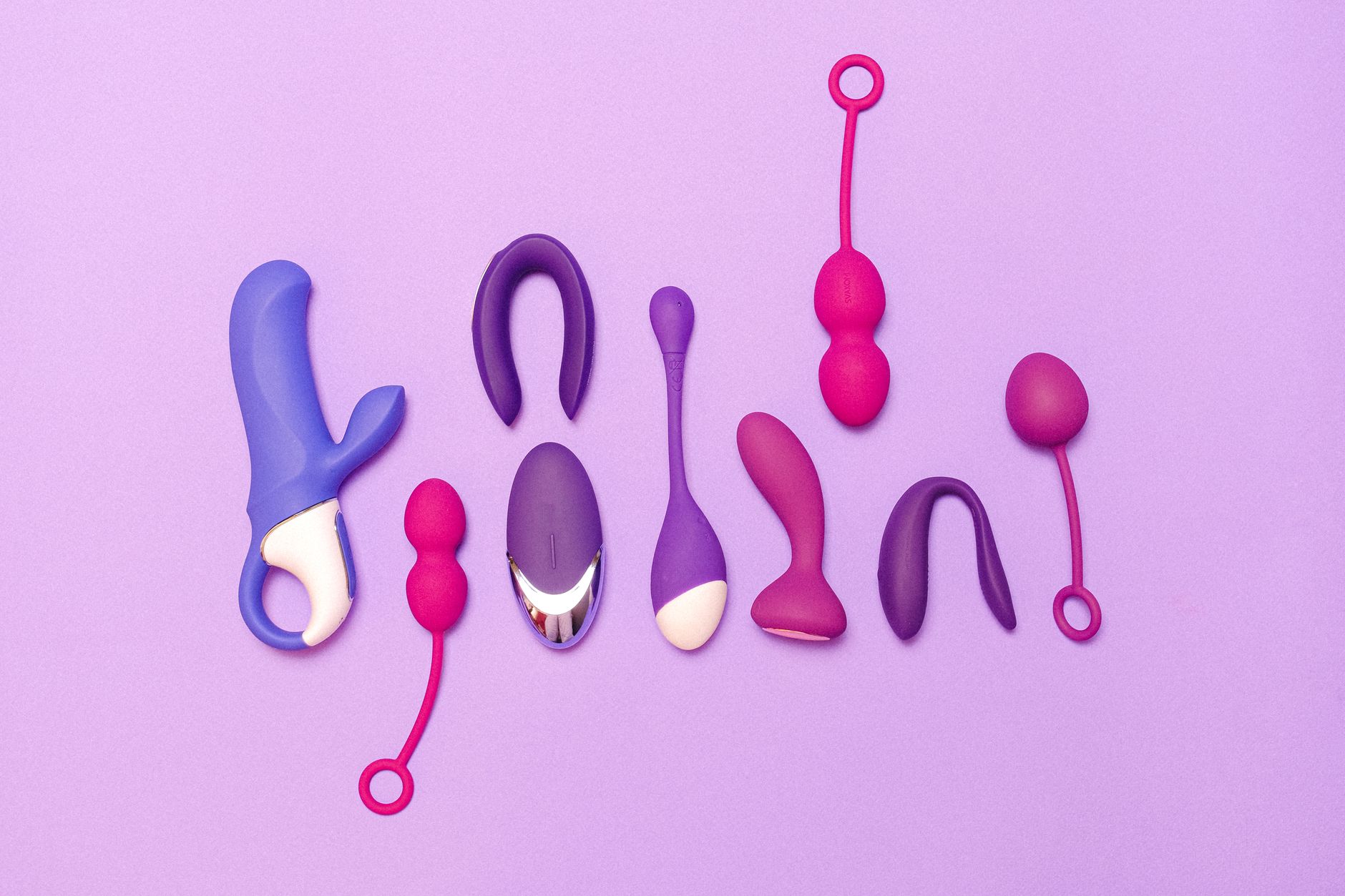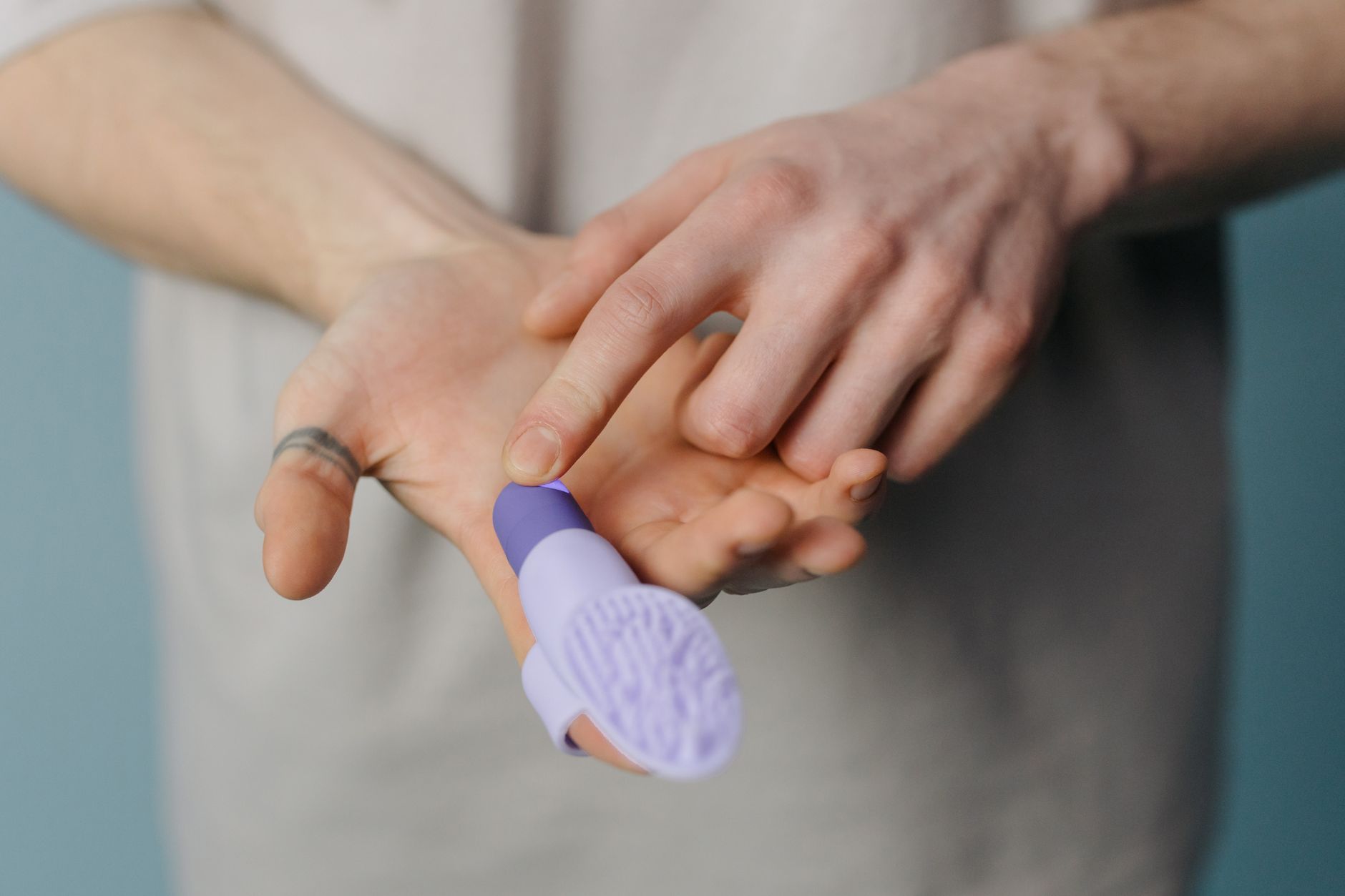
A wand massager or multi-function massager is often treated as a single-purpose product, but its practical range can be broader. Depending on the head shape, vibration levels, waterproof rating, power source, and contact material, it may be used for external body massage, intimate settings, or partner interaction. The key is not to assume that every wand is suitable for every body area. This guide explains realistic uses, safer boundaries, material checks, lubricant compatibility, cleaning, and storage so adult users can make informed choices without turning a simple product into an unnecessarily complicated purchase.
External massage for shoulders, back, and legs
The most straightforward use is external massage over intact skin. The shoulders, upper back, lower back, hips, thighs, and calves are generally more suitable starting areas than bony points or sensitive mucosal tissue. Begin with the lowest setting and keep the device moving rather than holding it in one place for a long time. Stop if the sensation becomes painful, burning, numb, or unusually irritating; increasing the intensity is not a substitute for comfort. For people who sit at a desk or want a simple post-workout relaxation tool, a wand can be useful, but it is not a medical device and persistent pain should be assessed by an appropriate professional.
- Shoulders and upper back: work along the muscle, avoiding the center line of the spine.
- Lower back and hips: use broad, slow movements instead of prolonged pressure on one spot.
- Thighs and calves: test over clothing or a thin layer first if the vibration feels intense.
Intimate settings: external use and communication come first
In intimate settings, a wand can be used for external stimulation, changes in rhythm, or partner-led exploration. The most useful feature is often control: the person receiving the sensation should be able to ask for slower movement, lower intensity, or a different position at any time. Unless the manufacturer clearly states that a product is suitable for internal use, treat it as an external-use device. Plug-in models and products without a clearly stated waterproof rating should never be used in a shower or bath, and water should not be allowed near charging ports or exposed electrical parts.
Some adults may choose to use a wand near the perineum or around external genital areas, but sensitivity varies widely. Avoid broken skin, irritation, active inflammation, numb areas, or unexplained pain. If condoms or barrier sheets are used, select a size and material that fit the product and replace the barrier when moving between body areas. Consent should be explicit before partnered use and should remain changeable throughout the interaction; silence, pressure, or reluctance should not be treated as agreement.
Materials and specifications: check the contact surface first
Material safety and cleanability usually matter more than the number of vibration patterns. Common contact materials include silicone, ABS plastic, glass, and metal. Nonporous materials are generally easier to clean thoroughly, but the product label and manufacturer instructions still take priority. TPE, TPR, jelly rubber, and similar elastomer materials may be more porous or more likely to retain residue, so they require careful cleaning and separate storage. A product described as “silicone-like” is not necessarily made of pure silicone. A strong chemical odor, persistent tackiness, peeling surface, cracks, or abnormal heat around the charging area are reasons to stop using the item and contact the seller.
| Check | What to look for | |---|---| | Contact material | A specific material label rather than vague claims such as soft or skin-friendly | | Waterproof rating | Clear wording about rinsing or immersion; do not infer it from appearance | | Power source | Whether batteries, charging ports, and electrical seams can be kept dry | | Massage head | Whether it can be cleaned easily and whether seams trap residue | | Controls | A stable low setting and buttons that can be used without losing grip |
Lubricant compatibility: water-based is a cautious starting point
Lubricant can make intimate use more comfortable, but not every formula suits every material. Water-based lubricant is often the easiest conservative option because it is widely compatible and simpler to wash away. Silicone-based lubricant should be checked carefully before use with silicone surfaces, while oil-based products may damage some materials, complicate cleaning, or create issues with latex condoms. Read both labels and, when the manufacturer allows it, test a small amount on a less visible area. Stop if the surface becomes sticky, cloudy, swollen, or otherwise changed.
Start with a small amount and add more only when needed. Cooling, warming, flavored, or heavily fragranced formulas may be less suitable for sensitive skin or mucosal contact, so a simple, clearly labeled formula is a practical first choice. If a condom or barrier is involved, confirm that the lubricant is compatible with that barrier material as well as with the toy. Persistent burning, itching, redness, or discomfort after use warrants stopping contact and considering professional medical advice.
Cleaning, drying, and storage
Clean the wand before and after each use according to the manufacturer’s instructions, especially after contact with intimate areas. A removable waterproof component may be cleaned with warm water and a mild, fragrance-free cleanser, while a motorized, non-waterproof, or charging component should be wiped with a damp cloth without allowing water into the body. Let every part dry fully before storage. A clean, dry, shaded pouch or case is preferable to sealing a damp product in a drawer. Store different materials separately when possible, because prolonged contact can cause surface changes or sticking.
- Turn the device off and disconnect the charger or remove batteries before cleaning.
- Do not use boiling water, bleach, alcohol, or strong fragrance products unless the manufacturer specifically permits them.
- Inspect seams, buttons, charging ports, and the outer surface for cracks, unusual odor, or overheating.
- If the product is shared, use a new barrier between users and clean it thoroughly; use a fresh barrier when moving between body areas.
Choosing a first wand: more features are not always better
A first-time buyer can begin by identifying the main purpose: external body massage, intimate use, or a combination of both. For general massage, focus on grip, weight, noise, low-setting control, and whether the head feels manageable. For intimate use, confirm the head shape, control layout, waterproof rating, cleaning method, and whether the product is explicitly labeled for external use only. People who travel or share living space may also care about discreet storage, charging method, and packaging. A device with fewer patterns but smooth intensity control and clear material labeling may be more practical than a feature-heavy model.
Use a gradual sequence: low intensity, short sessions, and ongoing communication. Test the sensation on an arm or outer thigh before moving to the intended area. Do not apply it directly for a long time to bones, joints, the front of the throat, broken skin, inflamed tissue, or areas with reduced sensation. Adult products should be used only by people who meet the legal age requirement. Anyone with recent surgery, a skin condition, altered nerve sensation, unexplained pain, or other relevant health concerns should seek suitable professional advice before use.
FAQ
Can a wand massager be used internally?
Not necessarily. Unless the manufacturer clearly states that the product is designed for internal use, treat it as an external-use device, especially when it is a general body massager or plug-in model. Check the dimensions, material, waterproof rating, and cleaning instructions before use.
What lubricant is usually the safest starting option for a wand massager?
Water-based lubricant is often the most cautious and easy-to-clean starting point, but the product label still matters. Before using silicone-based lubricant with a silicone toy, confirm compatibility; stop if the surface becomes sticky, cloudy, swollen, or otherwise altered.
Should a wand massager be cleaned after every use?
Yes, clean it before and after each use according to the manufacturer’s instructions, particularly after intimate contact or sharing. Waterproof parts may be cleaned with warm water and a mild cleanser, while non-waterproof bodies should be wiped carefully around the charging port and dried fully before storage.
Which body areas should be avoided?
Avoid prolonged direct pressure on bones, joints, the front of the throat, broken skin, inflamed areas, or areas with reduced sensation. Stop immediately if there is pain, burning, numbness, persistent redness, or unexplained discomfort, and seek professional advice if symptoms continue.