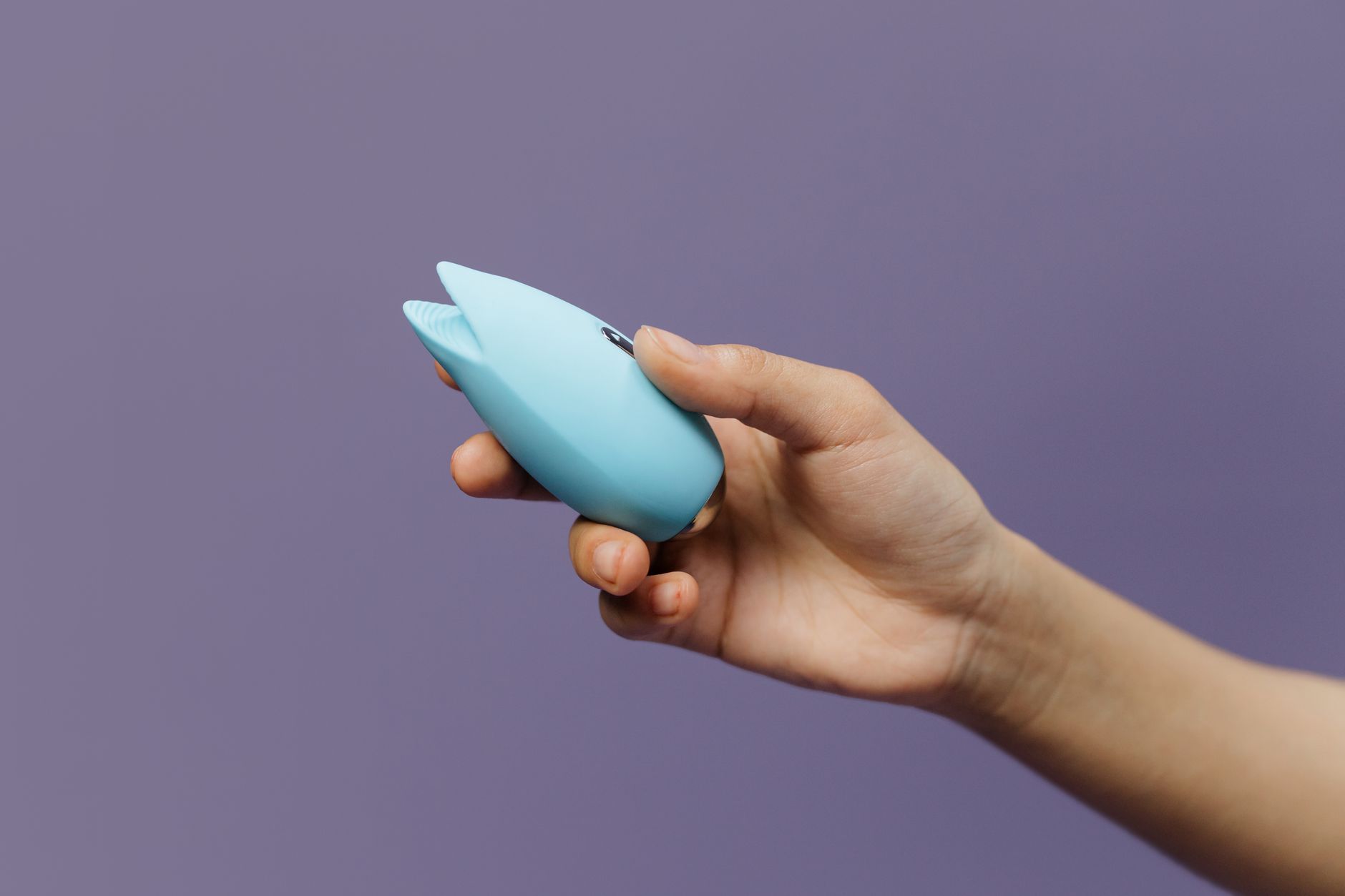
For many people, a small love egg is one of the first intimate toys they consider, yet the choice between wireless and wired models often feels confusing. On the surface it seems like the only difference is a cable, but in practice it affects how the toy is used, how easy it is to operate, how discreet it feels and how it fits into daily routines. This article looks at wireless and wired love eggs through practical lenses such as structure, control methods, noise, cleaning and storage, then links these traits to typical user profiles. The aim is not to declare one type better than the other, but to make their trade‑offs visible so adult readers can choose based on personal comfort, lifestyle and privacy concerns.
How wireless love eggs are built and commonly used
A wireless love egg usually houses the motor and battery inside the shell and is controlled by a remote or a smartphone app. With no cable attached, it can sit under clothing or bedding, and many couples use it during dates at home or in semi‑public settings where they still feel in control of the situation. This design suits people who enjoy moving around, changing positions or experimenting with remote play, as the lack of wires keeps the toy from snagging. On the flip side, wireless models rely heavily on reliable charging and stable connections, so users need to remember to charge the egg, check the remote and sometimes pair devices before use. Those who are comfortable with everyday tech usually adapt quickly to these small routines and see the extra flexibility as worth the effort.
- Motor and battery built into the egg shell
- Controlled via handheld remote or mobile app
- Suited to moving around and changing positions freely
- Requires attention to charging level and connection stability
Wired love eggs: structure, predictability and control
Wired love eggs connect the egg to a separate control unit using a cable, and the unit typically holds the batteries and physical buttons or dials. Many beginners appreciate wired designs because they feel straightforward: once batteries are inserted, the toy usually turns on with a single press, with no pairing or wireless setup required. The cable itself can make positioning more predictable, allowing users to pull the egg back or adjust the angle without worrying about losing grip. This gives some people a sense of control, especially when they are still exploring how their body responds. Wired eggs therefore fit well into calmer, at‑home situations where the user is sitting or lying down and is not planning to walk around or play with distance‑based scenarios.
- Egg connected to a control box by a cable
- Simple, tactile interface with buttons or dials
- Works well for fixed positions and slower exploration
- Cable can help users adjust or retrieve the egg more easily
Wireless vs wired: ease of use and situational flexibility
When comparing ease of use, wireless love eggs clearly win in terms of freedom of movement, especially for couples who like adding playful tension to dates or everyday moments. The ability to tuck the egg into underwear and let a partner adjust settings remotely can make routine activities feel more charged, as long as everyone is comfortable and has agreed on boundaries. However, this flexibility also brings more variables, such as remote battery life, wireless range and app stability, which some users find distracting. Wired eggs stay closer to a plug‑and‑play experience: once familiar with the button layout, most people can use them without looking, even in low light. This can feel reassuring for those who prefer tactile controls and minimal tech. In short, wireless suits dynamic, adventurous scenarios, while wired suits predictable, low‑learning‑curve use at home.
- Wireless eggs offer more freedom and remote play options
- Wired eggs favour straightforward controls and fewer variables
- Tech‑savvy users may enjoy app features, others may find them complex
- Choice depends heavily on whether play is mostly mobile or mostly stationary
Noise, materials, perceived safety and cleaning routines
Most love eggs are made from silicone, ABS plastic or a mix of both, so material differences between wireless and wired versions are usually small; what changes more is how easy they are to clean. Wireless eggs tend to be more sealed and compact, which makes rinsing the shell with mild cleanser and water relatively simple, provided users avoid getting water into the charging port if the device is not fully waterproof. Wired eggs, by contrast, often have a wash‑friendly egg but a non‑waterproof cable and control box, so cleaning requires separating these areas: the egg can be washed, but the cable and unit are better wiped with a damp cloth. Those who prefer quick, whole‑toy rinses may find this extra step inconvenient. In terms of sound, both wireless and wired eggs can produce motor noise; the main differences come from engineering and how the toy is used. Many users choose lower‑noise models, pair them with background music or thicker blankets, and focus on feeling comfortable rather than trying to block sound completely.
- Common materials include silicone and ABS plastic
- Wireless designs are often more compact and easier to rinse
- Wired designs call for separate cleaning of egg and control parts
- Noise levels depend on motor design and environment rather than cable presence alone
Who they suit: beginners, couples and privacy‑focused users
Beginners who value simplicity tend to gravitate toward wired love eggs because the controls resemble small household gadgets and are easy to understand. This allows them to focus on noticing bodily sensations and emotional responses, instead of troubleshooting tech. Couples who enjoy playful power dynamics, long‑distance teasing or wearing a toy outside the bedroom usually prefer wireless eggs, using remotes or apps to introduce surprise changes in intensity while staying mindful of consent. Privacy‑focused users, such as those living with family or roommates, may weigh how each design looks in a drawer or suitcase and whether a cable or large control box might draw attention. Some people resolve this by owning more than one toy: for example, a compact wireless egg for partner play and a simple wired model or small massager for solo time at home. Matching toys to situations helps reduce stress and keeps experimentation grounded in comfort.
- Wired eggs often suit first‑time buyers who want clear, physical controls
- Wireless eggs often suit couples exploring remote or semi‑public play
- Living arrangements and storage options strongly influence which design feels safer to own
- Owning a small mix of toys can cover both adventurous and quiet moments without pressure
Storage, buying channels and general safety notes
Regardless of design, how a love egg is stored and purchased has a big impact on how relaxed users feel about owning it. Wired models usually benefit from dedicated pouches or boxes to protect the cable and keep it from tangling with other items; wireless models are easier to tuck into a cosmetics bag or bedside drawer, especially if they come with a dust cover. When buying, some adults prefer online retailers that offer neutral packaging and discreet billing descriptions, reducing awkwardness when parcels are collected in shared spaces. Others feel more comfortable visiting specialised stores to see materials and button layouts in person before choosing between wireless and wired. Because this article covers adult topics, it is intended purely as general information for readers of legal age and does not replace professional health advice. If anyone experiences physical discomfort or emotional distress while using intimate toys, it is advisable to pause and consult a qualified healthcare or counselling professional to discuss what feels safe and appropriate for their situation.
FAQ
For a first sex toy, is a wireless or wired love egg easier to start with?
Many first‑time buyers find wired love eggs easier to start with because the controls are tactile and similar to simple household devices, so there is little to learn beyond pressing buttons. This lets them focus on their body and comfort level instead of managing apps or wireless pairing. People who already enjoy using connected gadgets may be happy to begin with a wireless model, but it still helps to read the instructions carefully and understand charging and connection steps in advance.
What should couples keep in mind when using a wireless love egg during a date?
Couples using a wireless love egg during a date often check noise levels, clothing thickness and wireless range beforehand, to avoid surprise interruptions or unwanted attention in quiet spaces. It is important to agree on signals for pausing or stopping, and to respect each partner’s comfort with semi‑public scenarios. Choosing outfits that provide coverage and using background music or ambient noise can make the experience feel more discreet and relaxed.
How can wired love eggs be cleaned safely without damaging the cable or control unit?
Most wired love eggs are designed so the egg itself can be washed, while the cable and control unit need gentler care. Users usually clean the egg with mild cleanser and water according to the manufacturer’s guidance, then wipe the cable and box with a damp cloth rather than submerging them. Allowing all parts to dry in a well‑ventilated spot before storage helps protect both the materials and the internal electronics.
Which buying options and packaging details help keep a love egg purchase discreet?
Adult buyers who care about discretion often use online retailers that ship in plain boxes and list neutral product descriptions on invoices. Parcel pickup at lockers or convenience stores can reduce attention compared with home delivery to shared addresses. Others may prefer specialised brick‑and‑mortar stores with private browsing areas, where they can ask about material quality and controls without pressure. In all cases, checking store policies on privacy and billing can make the whole process feel more comfortable.