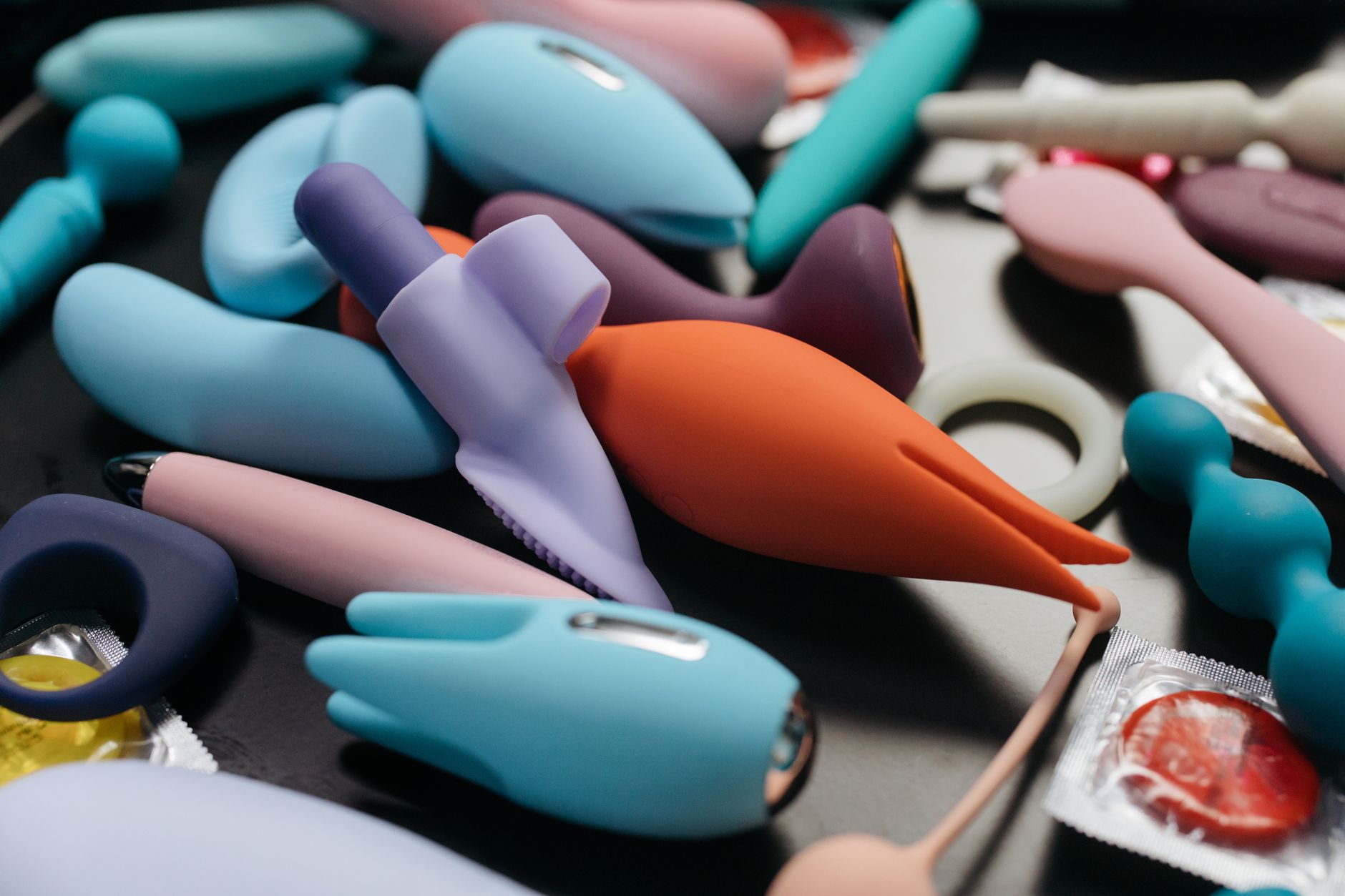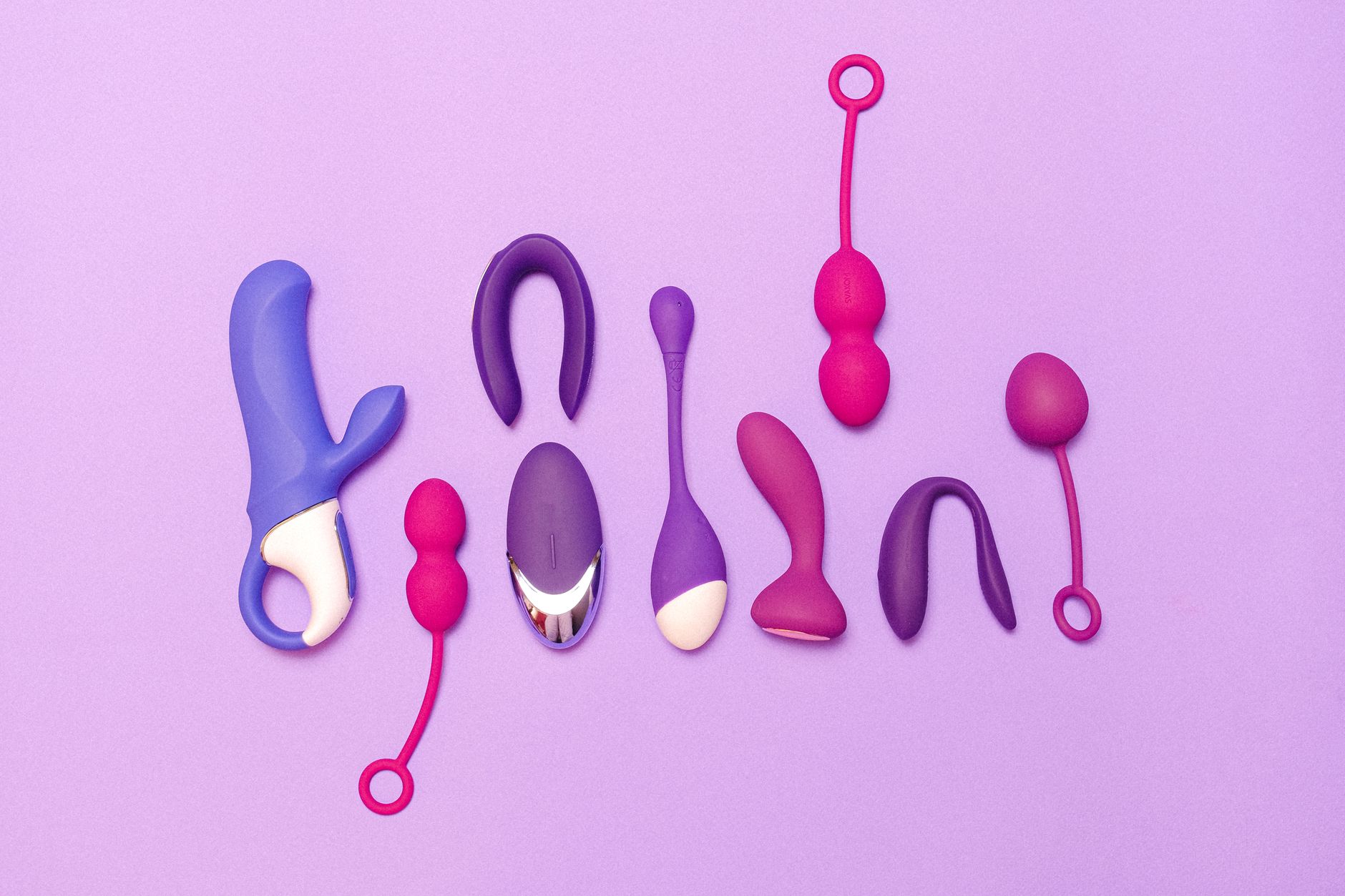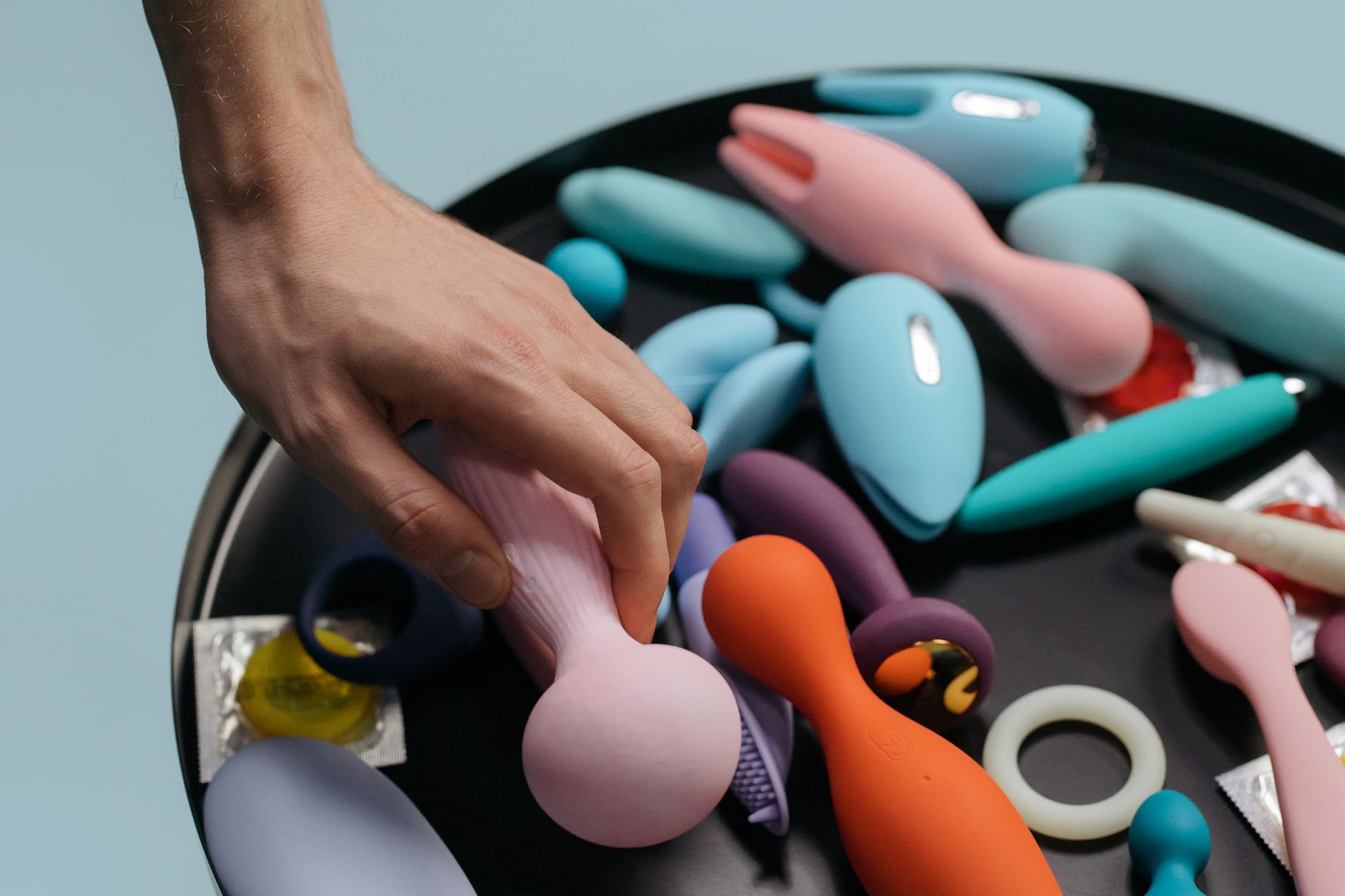
Many people shopping for a wand massager for the first time end up scrolling through product photos without really knowing what they are looking at. Most devices look like long sticks or compact heads, yet the listings are packed with different angles, patterns and technical terms that blur together after a while. A practical way to cut through the confusion is to treat a wand like any other small appliance: focus on how it will be used, how it feels in the hand and how easy it is to care for, rather than chasing the flashiest design. This guide breaks the topic into shape, size, vibration, materials, power, noise and storage, so readers can turn a long list of similar-looking items into a short, tailored shortlist that fits real life.
Clarify when and where it will be used
Before digging into specs, it helps to define when and where the wand will actually come out of the drawer. Someone who mainly wants to loosen tight shoulders after a shower might prioritise a grippy handle and higher water resistance, because the device will see more bathroom time. People living in thin-walled apartments or shared housing often care most about noise and subtle vibration patterns, especially late at night when others are asleep. Others only have a few minutes before bed and prefer a wand with simple controls that can be operated almost on autopilot, without cycling through a long sequence of modes. The clearer the everyday scenario, the easier it becomes to rule out shapes or features that do not fit, and to focus on models that suit that particular routine instead of buying on impulse.
Shape and size: long wands, short wands and compact designs
Wand massagers are commonly grouped into long wands, short wands and compact capsule-style devices, each influencing grip, reach and control. Long wands have extended handles and larger heads, which make it easier to reach neck, shoulders or back without bending arms awkwardly. They can feel closer to a small home massager than a pocket gadget, which is helpful for people who want broad surface contact. The trade-off is bulk: storing a long wand discreetly in a small room or shared home can take more planning, especially if the silhouette is recognisable. Short wands and mini designs are closer in size to an electric toothbrush or small trimmer, fitting neatly in a bedside drawer or travel pouch, and they suit smaller hands that tire quickly with heavy devices. Capsule or pebble shapes do not have a defined handle, but their rounded bodies naturally follow curves, which some users find intuitive once they get used to holding the device from different angles.
Vibration strength and patterns: focus on usable ranges
Product pages often highlight the number of levels and patterns, yet those figures alone do not describe how a wand feels in real use. For beginners, the most important detail is whether the lowest setting is gentle enough to start with, and whether the intensity increases gradually rather than jumping sharply from low to high. A wand that starts too strong can feel overwhelming, leading people to use it briefly and then put it away. On the other hand, a device with a smooth range from subtle to moderate vibrations encourages experimentation at a comfortable pace. When it comes to patterns, three to five well-designed rhythms, combined with multiple strength levels, are usually more than enough. Some wands advertise wave, pulse or step sequences that appeal to users who enjoy variation, but those modes also add complexity to the controls. For anyone who values simplicity, a layout with clear buttons and a way to return to a basic steady vibration with a single press tends to be more practical than a long list of rarely used modes.
Materials: silicone, plastic and metal finishes
Most modern wands use a combination of silicone, plastic and occasionally metal accents, and each material has a distinct feel in the hand. Silicone-coated bodies offer a soft, matte surface that does not feel cold on first contact and tends to sit securely against the skin, which is one reason this finish is widely used. At the same time, silicone can attract lint and dust if left exposed, so a storage pouch or case is useful for keeping the surface clean between uses. Plastic shells are lighter and often more budget-friendly, with smooth, glossy finishes that are easy to wipe down. These designs can feel slightly more slippery in damp hands, so users who plan to use a wand in the bathroom may want to pay attention to texture or added grip lines. Metal elements are typically used for decorative bands or to add weight, giving the device a more grounded, solid feel; they can, however, feel cool in air-conditioned rooms or in winter, and may need a moment to warm up before extended contact.
Water resistance, cleaning and everyday care
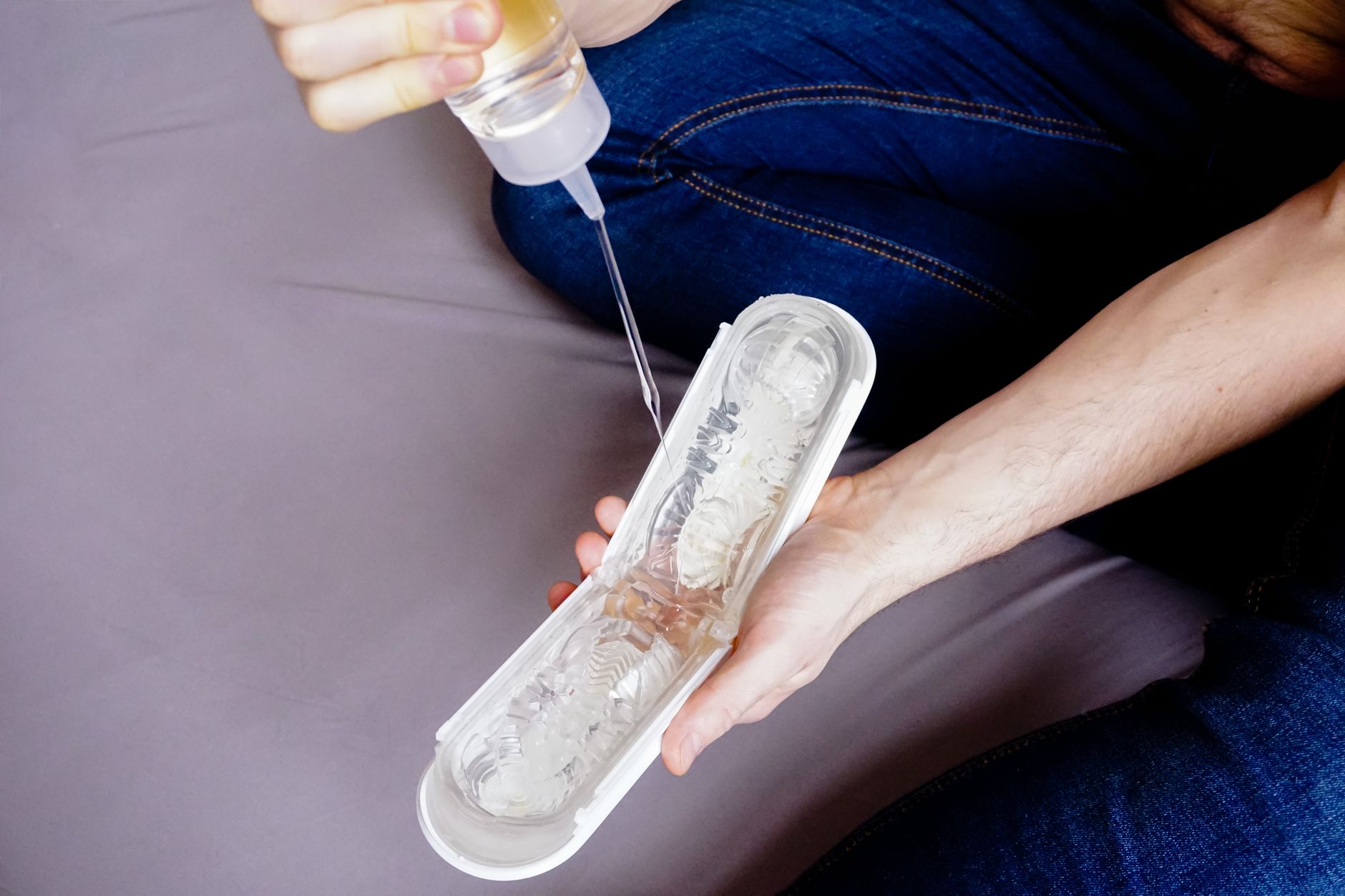
Cleaning habits are just as important as picking the right shape, especially since wands come into close contact with the body. Manufacturers usually describe water resistance using phrases like splash resistant, water resistant or fully waterproof, and it helps to match those labels to personal routines. A splash resistant wand is generally fine for being wiped with a damp cloth and a mild, unscented cleanser, but it should not be submerged or rinsed under a strong stream. Fully waterproof models are designed with sealed charging points or magnetic connectors to reduce the risk of water reaching internal parts, which makes them more tolerant of being rinsed under running water after use. Even so, letting any device soak is best avoided, and thorough drying before storage remains important. From a day-to-day perspective, designs with fewer deep grooves or seams are easier to clean quickly, because there are fewer areas where residue can hide. Building a simple habit of cleaning, drying and then storing the wand in a dry, shaded place helps preserve both the surface and the motor over time.
Power source and noise level in shared spaces
Power and noise are two practical details that often only become obvious once a wand is in use. Most current models are rechargeable, using USB, Type-C or proprietary magnetic chargers, which keeps running costs low and avoids having to buy batteries. People who already juggle multiple devices may appreciate wands that share common cables, reducing the number of chargers on a bedside table. Battery-powered options still exist, often in compact entry-level designs that appeal to those who prefer not to charge regularly; they do, however, require removing batteries during long breaks from use to minimise leakage risk. Noise matters particularly for anyone living with family, roommates or thin walls. Larger wands with stronger motors may produce more audible hums or rattles at high settings, while smaller units tend to stay quieter but also less intense. Paying attention to whether a brand states approximate decibel ranges, or checking user feedback describing real-world noise, can give a sense of how discreet a wand will be during late-night sessions.
Storage, discretion and material longevity
Once a wand is chosen, storage and discretion become part of the routine, especially in homes where shared space is the norm. Many models include a soft pouch or compact box that helps keep dust away and makes the device less recognisable at a glance. Keeping silicone-based toys away from unknown materials for long periods can reduce the chance of surfaces sticking together or colours transferring, so giving each device its own pouch is a simple precaution. For people who prefer extra privacy, there are wands styled to resemble everyday appliances, such as general body massagers or grooming tools, which blend in more easily on a shelf or in a drawer. Travellers might opt for shorter, neutral-coloured designs that fit into toiletry bags without drawing attention during luggage checks. Regardless of style, storing a wand in a cool, dry place, away from direct sunlight and high heat, helps protect both the outer finish and the internal electronics, making it more likely that the device will perform consistently over a longer period.
Beginner-friendly directions and health disclaimers
For readers who still feel unsure after browsing multiple models, a balanced starting point is a mid-sized wand with a silicone finish, a handful of vibration levels and at least basic water resistance, paired with straightforward buttons. Some brands market specific beginner lines that emphasise simple layouts, rounded heads and non-intimidating silhouettes, which can feel more approachable than highly stylised designs. Others offer more advanced wands with flexible necks or a wide range of rhythms, better suited to users who already know what kind of intensity and patterns they enjoy. Whatever the choice, comfort and safety remain the priority. If any discomfort, irritation or unusual reaction occurs during or after use, it is advisable to pause, review how the device is being used and, if needed, consult a healthcare professional for personalised advice. The information in this article is intended as general guidance on product features and care rather than medical instruction, and readers are encouraged to factor in their own health condition and environment when deciding what to purchase and how to use it.
FAQ
How should I start choosing a wand massager if I am a beginner?
Begin by thinking about when and where you will actually use the wand, such as in the bathroom after a shower or quietly in a shared apartment. Focus on practical factors like how it feels in your hand, how easy it is to control, and how simple it is to clean and store. Treat it like a small appliance rather than chasing the flashiest design, and choose a device that fits your everyday routine instead of impulse buying.
What are the main differences between long, short and compact wand massagers?
Long wands have extended handles and larger heads, making it easier to reach areas like the neck, shoulders and back without awkward arm positions, but they can feel bulkier and harder to store discreetly. Short wands are closer in size to an electric toothbrush or small trimmer, fitting more easily into bedside drawers or travel bags and suiting smaller hands. Compact capsule or pebble designs lack a defined handle but offer rounded bodies that follow body curves, which some people find intuitive once they get used to holding them from different angles.
Why is it important to consider vibration strength and patterns in a wand massager?
Vibration levels and patterns determine how the wand feels in real use, beyond just the numbers listed on a product page. For beginners, it is crucial that the lowest setting is gentle enough to be comfortable and that the intensity increases gradually rather than jumping too abruptly. Usable ranges help you adapt the massage to different needs and times of day, such as subtle patterns at night in thin-walled housing and stronger settings for loosening tight muscles.
How does my living environment affect the type of wand massager I should choose?
If you live in a shared home or a thin-walled apartment, noise level and subtle vibration patterns often become more important because you may use the wand late at night while others are asleep. A quieter device with simple controls can help you operate it discreetly without drawing attention. In contrast, if you mainly use it in private spaces like the bathroom, you might prioritise water resistance and a grippy handle instead of ultra-low noise.